In 2026, the digital storefront has undergone a seismic shift. We are no longer just optimizing for blue links on a Google results page; we are optimizing for autonomous digital agents. As of this year, referral traffic from generative AI sources like Perplexity and ChatGPT search has surged by 4,700% year-over-year, rendering traditional SEO strategies incomplete. If your brand isn't the primary citation when an AI assistant performs product research, you effectively don't exist in the 2026 shopping journey.
This tutorial provides a technical and strategic deep dive into Generative Engine Optimization (GEO). We will cover how to make your Shopify store machine-readable, how to implement the latest Agentic Commerce Protocols, and how to utilize an AI ecommerce employee like Stormy AI to maintain your brand authority in an era where 89% of retailers have already integrated AI into their daily operations.
The Death of SEO and the Rise of GEO in 2026
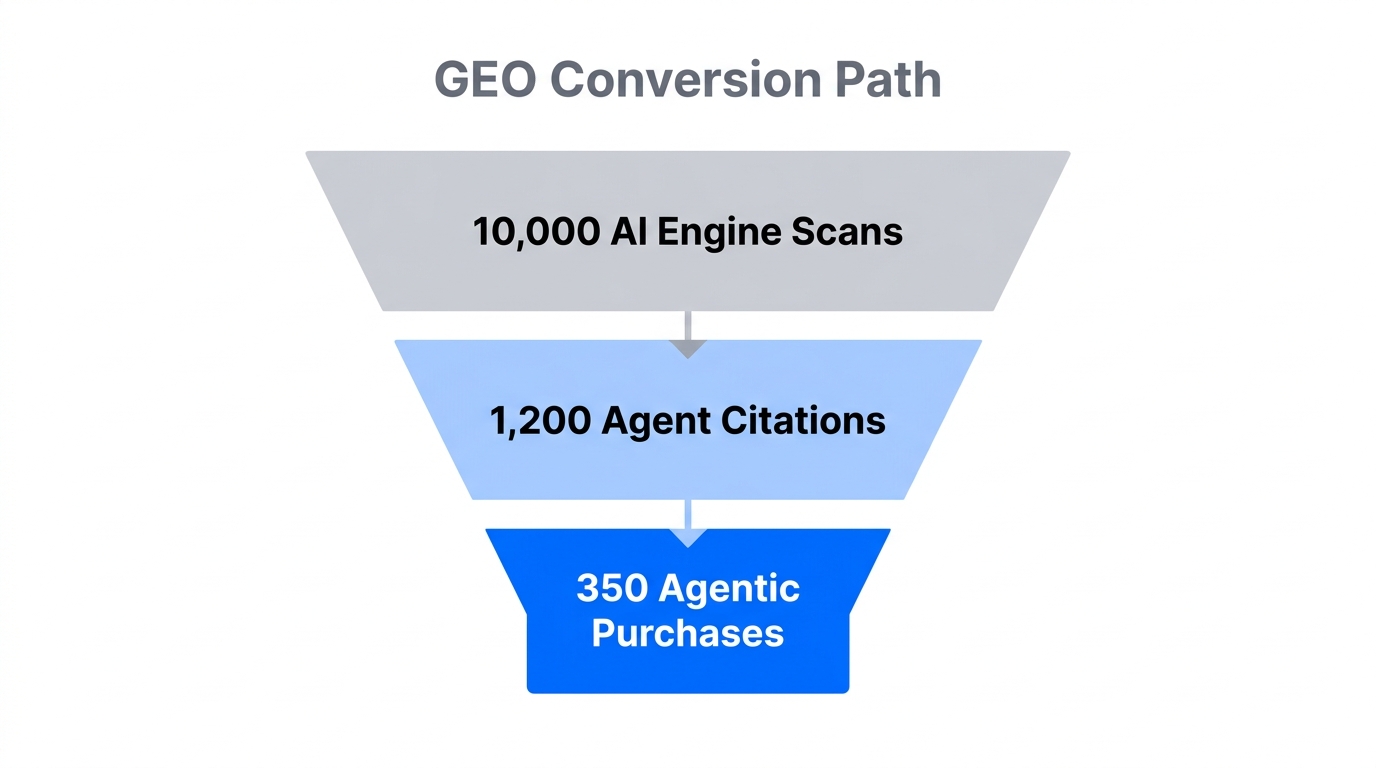
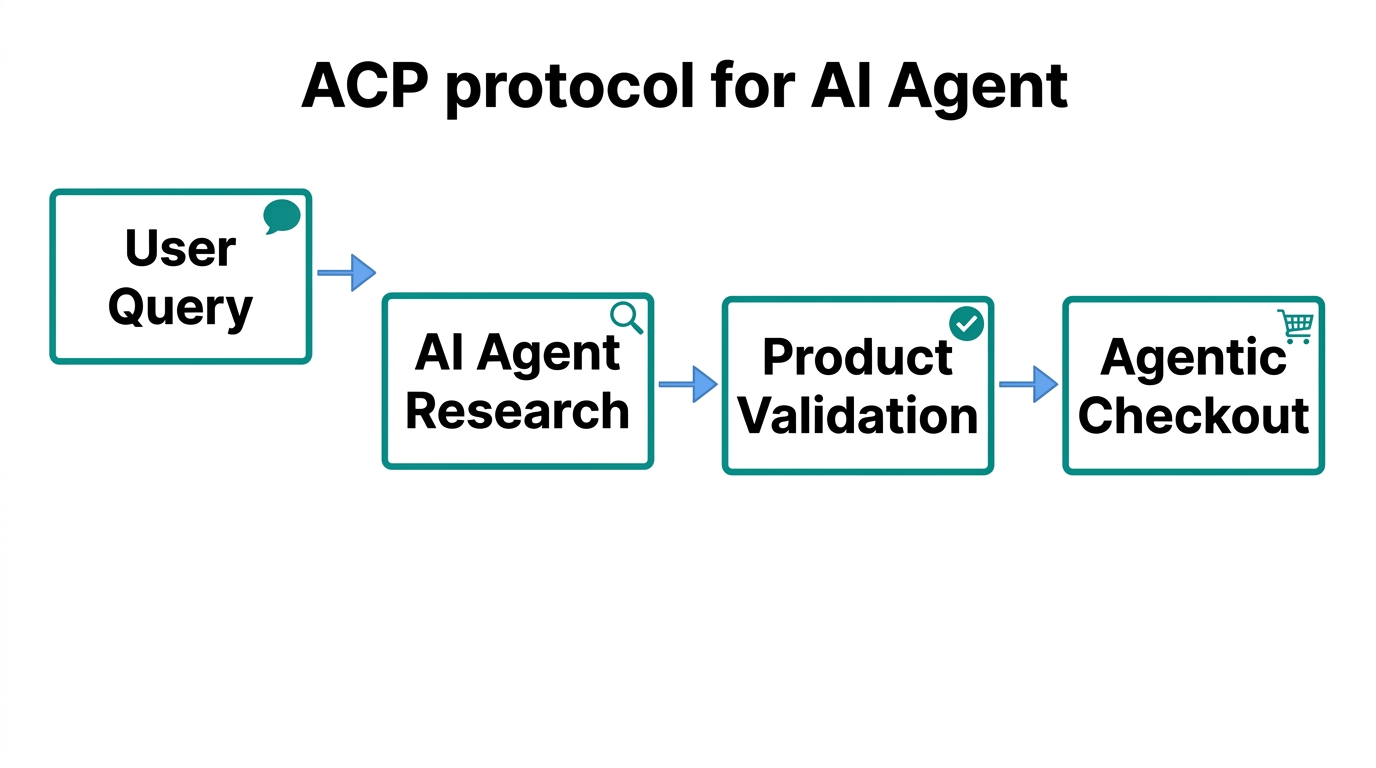
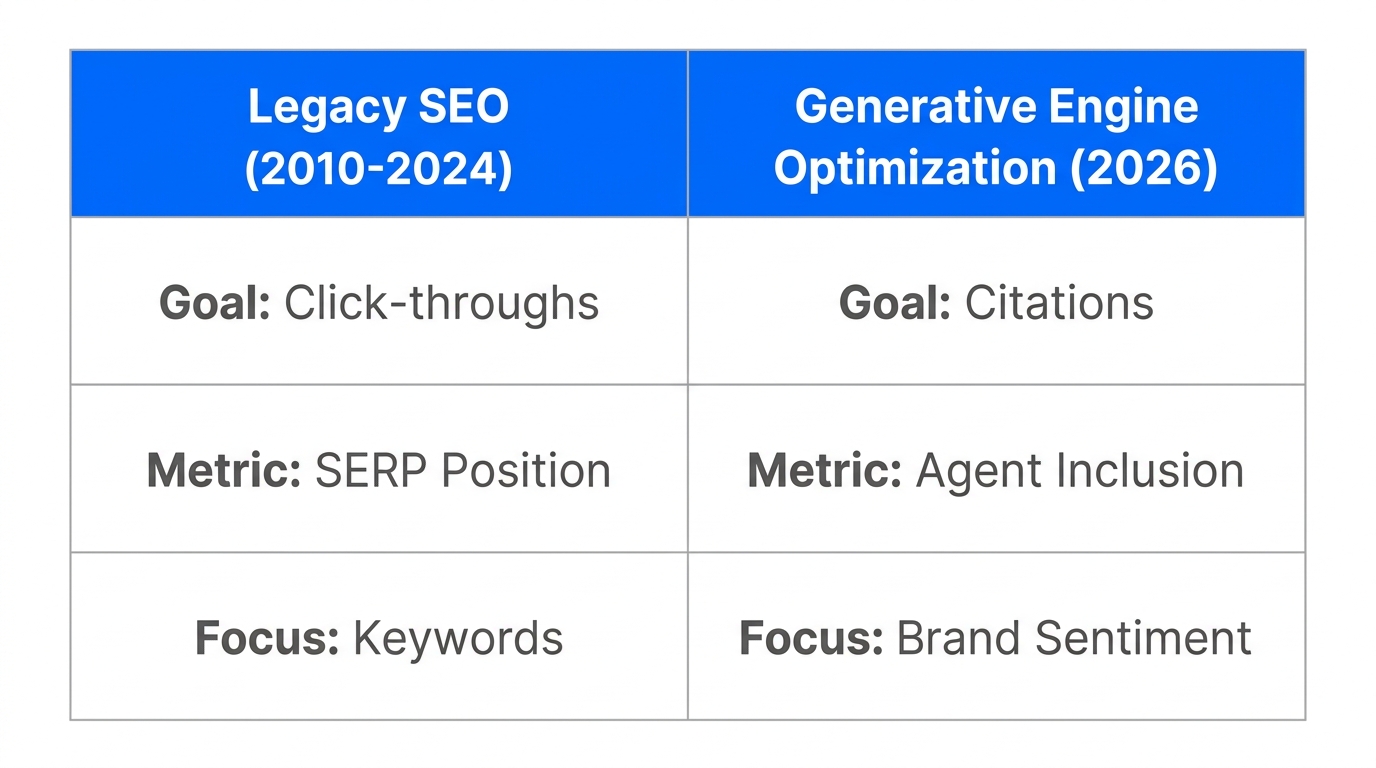
Traditional SEO was about keywords and backlinks. Generative Engine Optimization (GEO) is about contextual authority and data grounding. In the current landscape, AI agents don't just find products; they reason through them. According to market research data, the global AI in ecommerce market has reached a staggering $10.5 billion, with brands reporting revenue increases of up to 25% after implementing agent-ready infrastructures.
"The first priority is making your catalog agent-ready. If AI agents can't 'see' your products through structured data, you won't exist in the 2026 shopping journey." — Juan Pellerano, CMO at SWAP
The transition to Shopify AI SEO requires moving away from traditional meta-tagging toward Schema.org rich results and JSON-LD structures that Large Language Models (LLMs) like Claude and GPT-5 can digest instantly.