In 2026, the distance between a customer clicking "buy" and receiving their package has become the ultimate battleground for Direct-to-Consumer (DTC) brands. With global parcel delivery speeds having accelerated by 40% since 2020, shipping is no longer a back-office utility—it is a core marketing pillar. As we navigate a market where the global 3PL sector is projected to hit $3.62 trillion by 2034, the decision to outsource to professional 3PL fulfillment services is often the difference between a brand that scales and one that plateaus. This guide provides a strategic roadmap for founders ready to transition from manual logistics to high-velocity scaling.
Identifying the Tipping Point: The 100-300 Order Rule
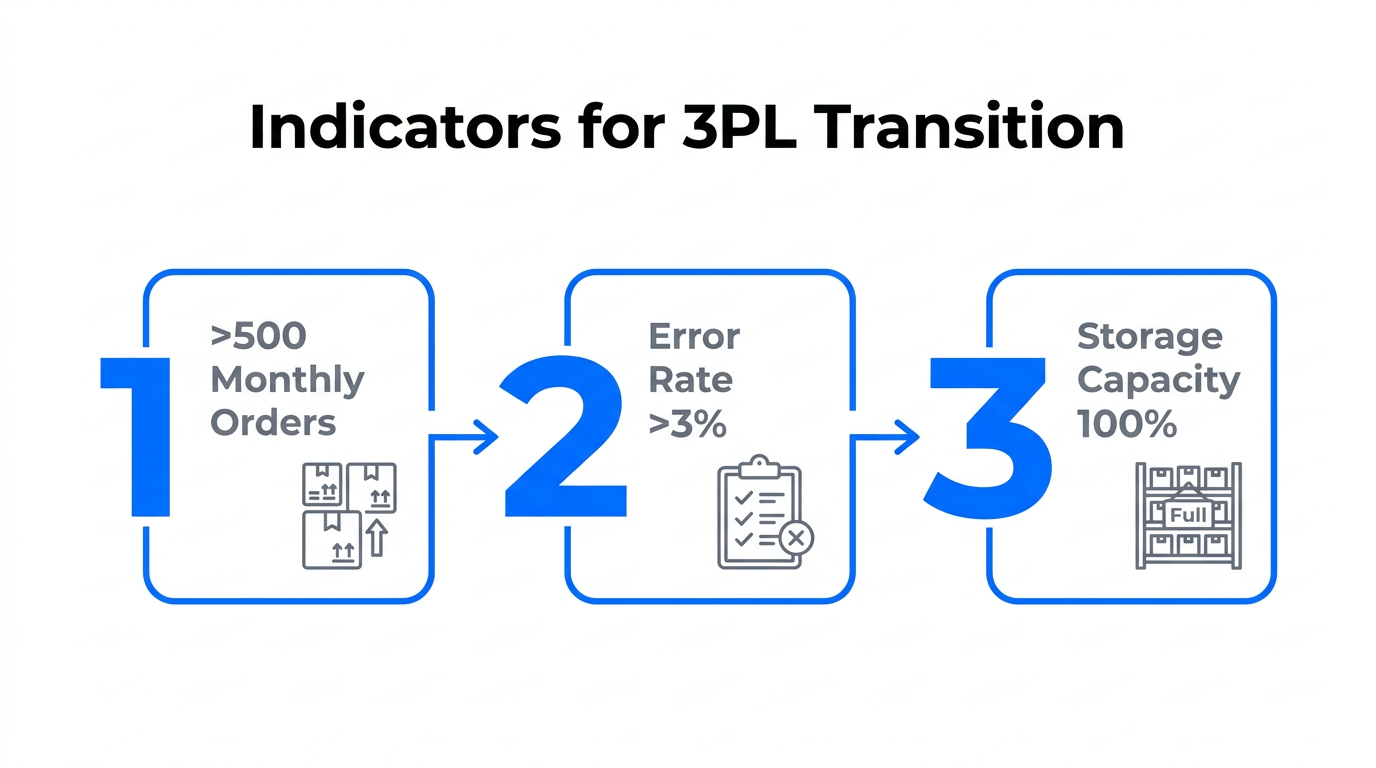
Many founders fall into the trap of self-fulfilling for too long, believing they are saving money. However, the true cost of "garage fulfillment" isn't just the shipping labels—it's the opportunity cost of the founder's time. Industry data from Inbound Logistics suggests that 37% of ecommerce companies now fully outsource ecommerce fulfillment to maintain agility.
Waiting too long to move to a 3PL often results in "fulfillment debt"—a backlog of unfulfilled orders that damages your Shopify or TikTok Shop rating. Experts at Gartner suggest that 2026 brands must view logistics as a strategic growth partner rather than a cost center. If your team is spending more than 10 hours a week on logistics, you are ready to scale.
"In 2026, logistics is the new loyalty program. If you can't deliver in 48 hours, you've already lost the customer to a competitor who can."
The 'Success Tier' Pricing Model: Negotiating for 2026
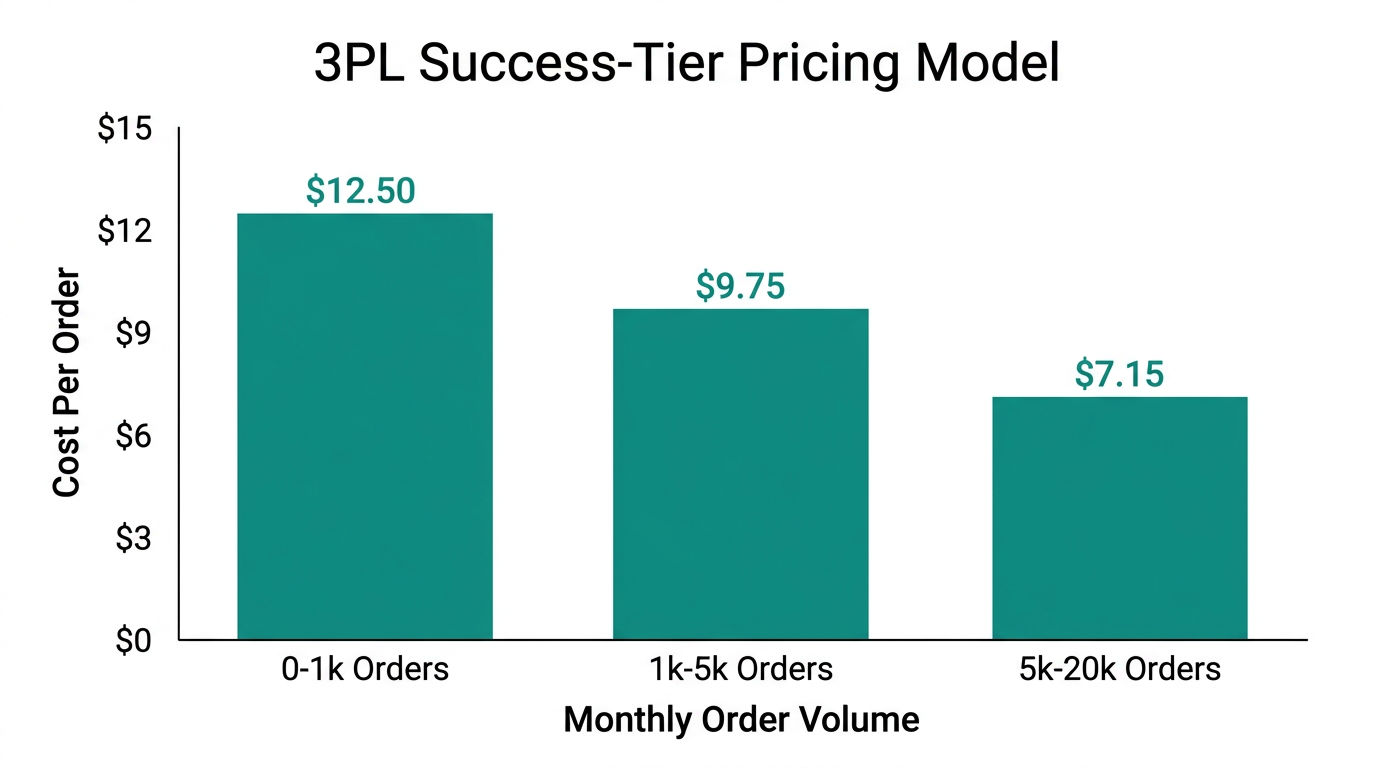
Traditional 3PL cost structures were often rigid, but the 2026 landscape demands flexibility. Smart brands are moving away from flat-fee agreements and toward volume-based tiered pricing. This model ensures that as your brand grows, your per-unit fulfillment cost decreases, effectively rewarding you for scaling.
| Monthly Order Volume | Typical Picking Fee | Storage Discount | Strategic Benefit |
|---|---|---|---|
| 100 - 500 | $2.50 - $3.00 | Base Rate | Access to standard 2-day shipping |
| 501 - 2,500 | $2.00 - $2.40 | 10% Off | Priority processing & custom packaging |
| 2,501 - 10,000+ | $1.50 - $1.90 | 25% Off | Dedicated account manager & multi-node stock placement |
When negotiating with partners like ShipBob or Red Stag Fulfillment, insist on these "Success Tiers." This alignment of interests ensures that your 3PL is motivated to help you grow. Avoid contracts that bake in high minimum monthly spends that could penalize you during slower retail months.
Avoiding the 'Lowest Cost' Trap: Tech and Accuracy over Fees
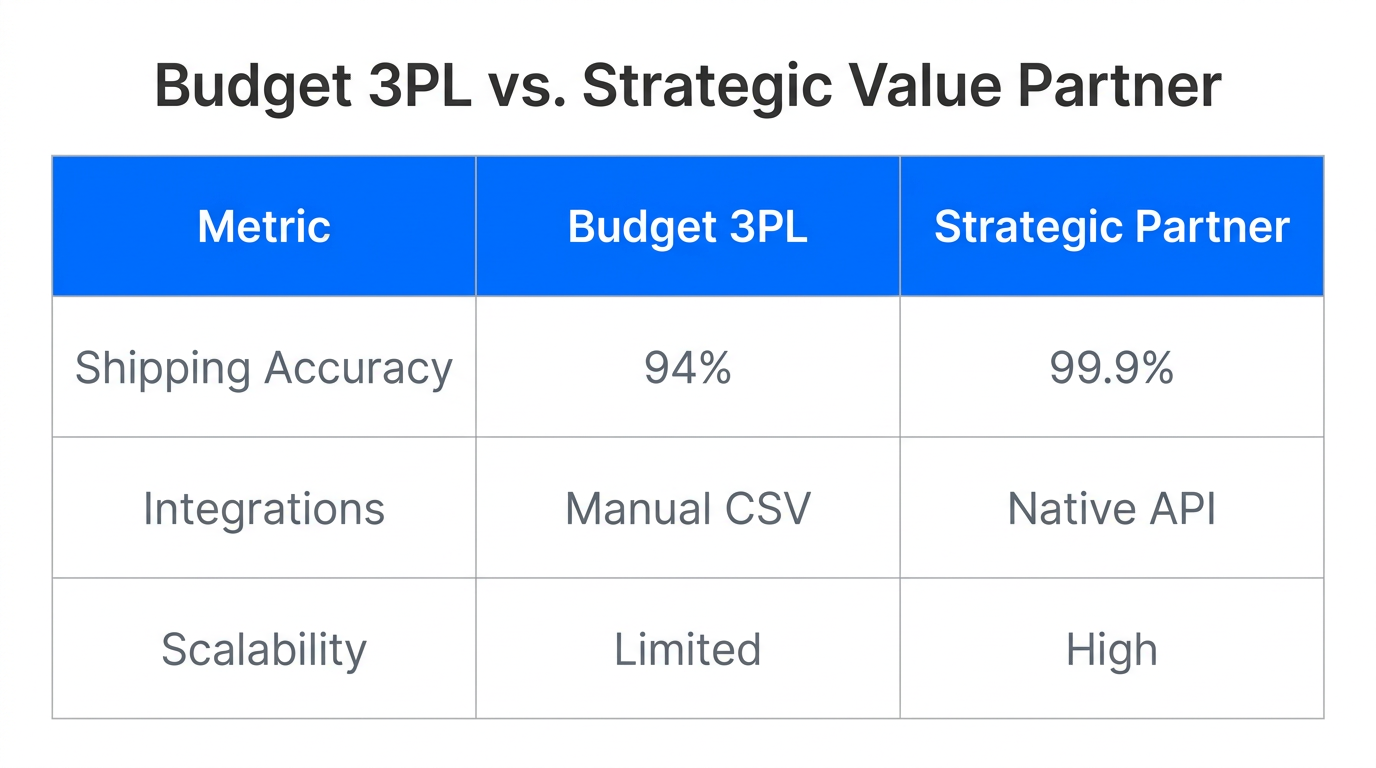
In the high-stakes world of scaling DTC brand logistics, the cheapest 3PL is often the most expensive in the long run. A low picking fee usually masks deficiencies in technology, leading to "mis-picks" and shipping delays. In 2026, order accuracy is the only metric that matters. Top-tier 3PLs now maintain an accuracy rate of 99.5%, and falling below this can lead to a 10-15% revenue loss through returns and customer churn.
Your ecommerce fulfillment strategy must prioritize a provider with a robust "Open API" tech stack. Modern systems like ShipHero or Locus allow your warehouse to talk directly to your marketing tools. For example, when your warehouse marks an item as "shipped," it should instantly trigger an automated "Thank You" email via Klaviyo or a delivery notification in your customer's Shop app.
"Cheap logistics creates expensive customers. A single mis-picked order can cost a brand $50 in shipping, restocking, and lost lifetime value."
Furthermore, consider how your logistics integrates with your growth engine. If you are using platforms like Stormy AI to discover and manage hundreds of UGC creators, your fulfillment center must be ready for the resulting demand spikes. 3PLs that use AI-driven predictive logistics (which now accounts for a massive share of the logistics tech market) can even "pre-position" stock in regional hubs before your influencer campaign goes live.
Case Study: Warby Parker's Specialized 3PL Model
A masterclass in scaling DTC brand logistics can be found in Warby Parker. They didn't just outsource storage; they built a specialized 3PL model around their "Home Try-On" program. This required a reverse logistics strategy that was as efficient as their outbound shipping.
By leveraging a high-volume fulfillment partner capable of processing complex return cycles, Warby Parker ensured that glasses returned from one customer could be inspected, sanitized, and restocked within 24 hours. For brands in 2026, automating the 'inspect and restock' process is vital for recovering the 10-15% of revenue typically lost to inefficient returns. This high-touch fulfillment approach allowed them to scale from a startup to a public company without their logistics becoming a bottleneck.
The 90-Day Exit Strategy: Maintaining Data Ownership
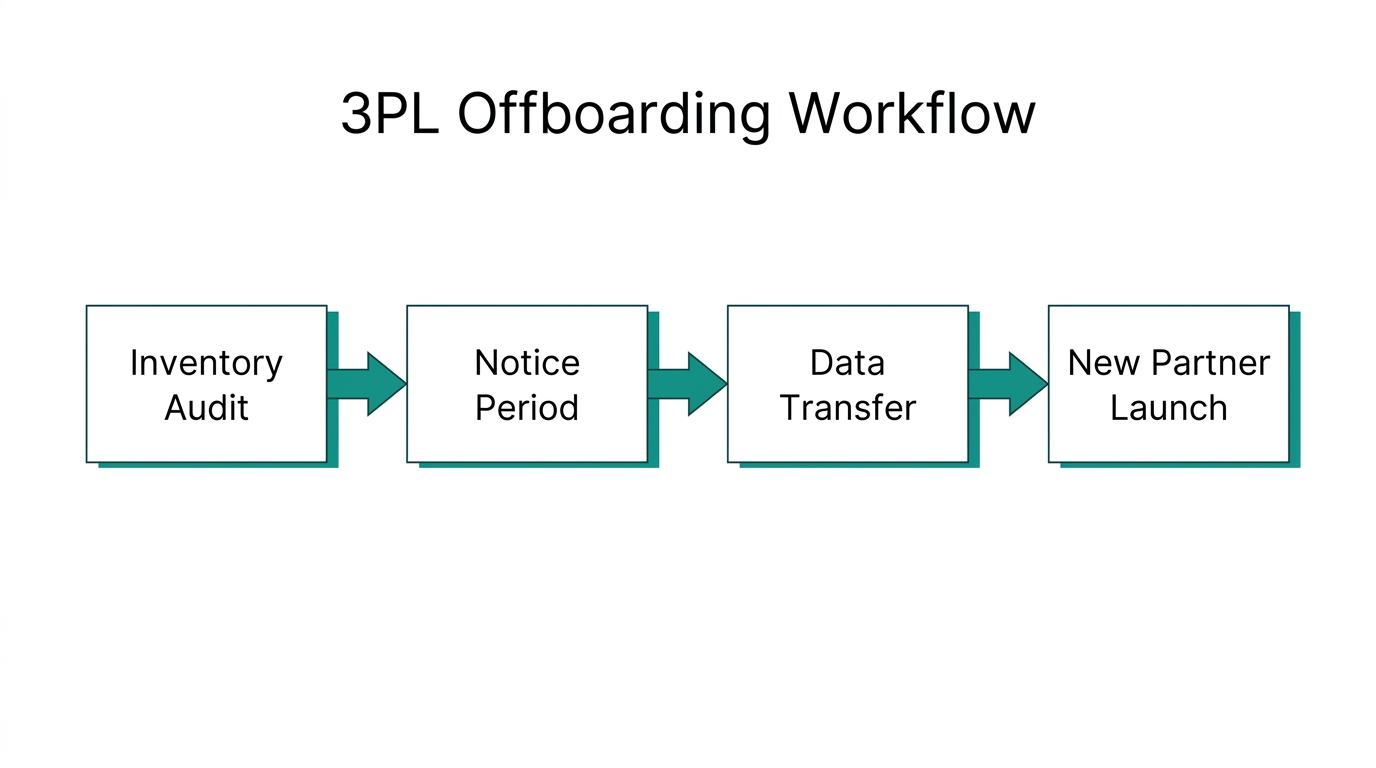
The most common mistake brands make is signing a long-term contract that turns them into a "hostage" of their 3PL. In the volatile world of 2026 global trade, agility is your greatest asset. Your ecommerce fulfillment strategy must include a clear exit plan to ensure you retain ownership of your customer data and operational history.
To maintain this agility, many brands are adopting multi-node networks. Instead of putting all their eggs in one warehouse basket, they split inventory across hubs in the West Coast, Midwest, and East Coast. This "zone skipping" not only reduces shipping costs by an average of 15% but also provides a safety net if one warehouse faces local disruptions or labor shortages.
Conclusion: Your Roadmap to Scaled Fulfillment
Scaling a DTC brand in 2026 requires a shift from doing to orchestrating. By moving to a professional 3PL once you hit 100-300 orders, you reclaim the time needed to build your brand. Remember to negotiate based on Success Tiers, prioritize order accuracy over the lowest possible fee, and never sacrifice data ownership.
As you scale your operations, tools like Stormy AI can help you find the right influencers to drive the volume that makes these 3PL partnerships so effective. Whether you are using Aeronet Worldwide to handle global expansion or Red Stag for high-value goods, your fulfillment strategy should always be a bridge to your next stage of growth, not a barrier.