2026 Ecommerce Conversion Rate Optimization: The Agentic AI and Hyper-Personalization Playbook
Discover the 2026 ecommerce conversion rate optimization playbook. Learn how agentic commerce and AI hyper-personalization are shattering the 3.3% CRO ceiling.
In 2026, the traditional “leaky funnel” is being replaced by something far more sophisticated: the autonomous shopping ecosystem. We are no longer in the era of simple A/B testing or generic pop-ups. Today, ecommerce conversion rate optimization 2026 is defined by the agentic commerce protocol—a shift where AI agents don’t just recommend products but actively navigate, negotiate, and finalize transactions on behalf of the consumer.
While the global average conversion rate remains between 2.5% and 3.3%, according to the latest Adobe Digital Insights, elite brands are utilizing hyper-personalization and agentic AI to reach numbers previously thought impossible. If your store is still hovering at 2%, you aren’t just behind the curve; you’re using a map from a different decade. This playbook outlines exactly how to navigate the 2026 CRO landscape to drive exponential growth.
The 2026 Reality Check: Analyzing the Latest Benchmarks
To optimize, you must first understand the baseline. According to data from Dynamic Yield's Benchmarking, the ecommerce benchmarks 2026 show a stark divide between industries. Food & Beverage continues to lead with a 6.1% conversion rate, while luxury items struggle at a mere 1.2% due to the high-consideration nature of the purchase.
| Industry Niche | 2026 Avg. Conv. Rate | Growth Driver |
|---|---|---|
| Food & Beverage | 6.1% | Subscription Models |
| Beauty & Personal Care | 5.1% | AR/VR Try-ons |
| Fashion & Apparel | 3.0% – 4.1% | UGC & Social Proof |
| Luxury & Jewelry | 1.2% | White-glove AI Concierge |
The most glaring statistic of 2026 is the mobile performance gap. Mobile now accounts for 70% of all ecommerce traffic, yet mobile conversion rates still lag significantly at 1.8% to 2.8%, compared to desktop’s 3.2% to 3.9%. This discrepancy represents the single largest opportunity for brands to capture lost revenue.
"The mobile gap isn't a device problem; it's a friction problem. Brands that treat mobile as a secondary experience in 2026 are leaving 50% of their potential revenue on the table."
Implementing Agentic AI: The 4x Conversion Multiplier
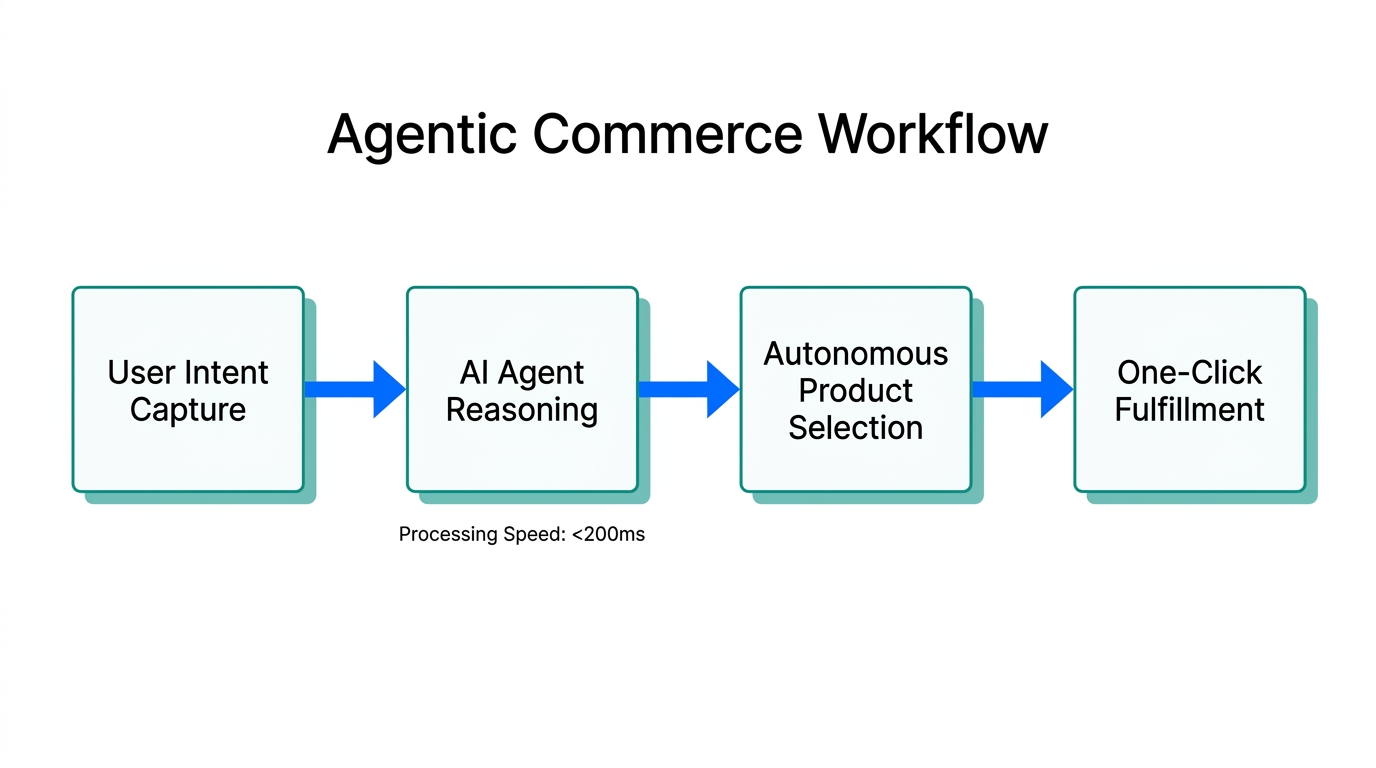
The biggest breakthrough this year is the rise of Agentic AI. Unlike the primitive chatbots of the early 2020s, today’s autonomous shopping assistants understand intent, context, and even emotional cues. By leveraging the agentic AI workflow, these assistants can recommend products and complete checkouts entirely within a chat interface.
Data shows that users who engage with these AI assistants convert at 4x the rate of those who browse the site unassisted. These agents act as digital personal shoppers, removing the paralysis of choice that often leads to cart abandonment. They don't just ask "How can I help you?"; they say "I see you're looking for a winter coat for a trip to Iceland—here are three options that fit your size and weather requirements, and I've already applied a 10% discount."
For brands looking to scale these AI interactions, integrating predictive search is vital. Search users typically convert 2-3x higher than standard browsers. By using tools like VWO or Optimizely to test agentic workflows, you can identify the exact moment an AI agent should intervene to save a sale.
Beyond Segmentation: AI Hyper-Personalization and Micro-Behaviors
In 2026, ai hyper-personalization means moving beyond "Hi [First Name]." Modern ecommerce engines now analyze micro-behaviors in real-time. This includes tracking scroll depth, hover time over specific product images, and even the speed of navigation to adjust the product feed dynamically.
If a user hovers over three different blue dresses but doesn't click, the AI instantly recognizes the preference for the color but the rejection of the style, updating the homepage in milliseconds to show more relevant options. This level of real-time content adjustment ensures that no two users ever see the same storefront.
Expert Talia Wolf, founder of Getuplift, argues that this must be coupled with "Emotion-First CRO." She suggests that while AI handles the data, the creative must speak to the user’s emotional state—shifting from social image to self-image depending on the user's journey. Logic justifies the purchase, but emotion drives the click.
"AI personalization can scale confusion if your core brand message is weak. CRO must first clarify decisions before it can automate them." — Peep Laja, Founder of CXL.
Privacy-First CRO: The Shift to Zero-Party Data
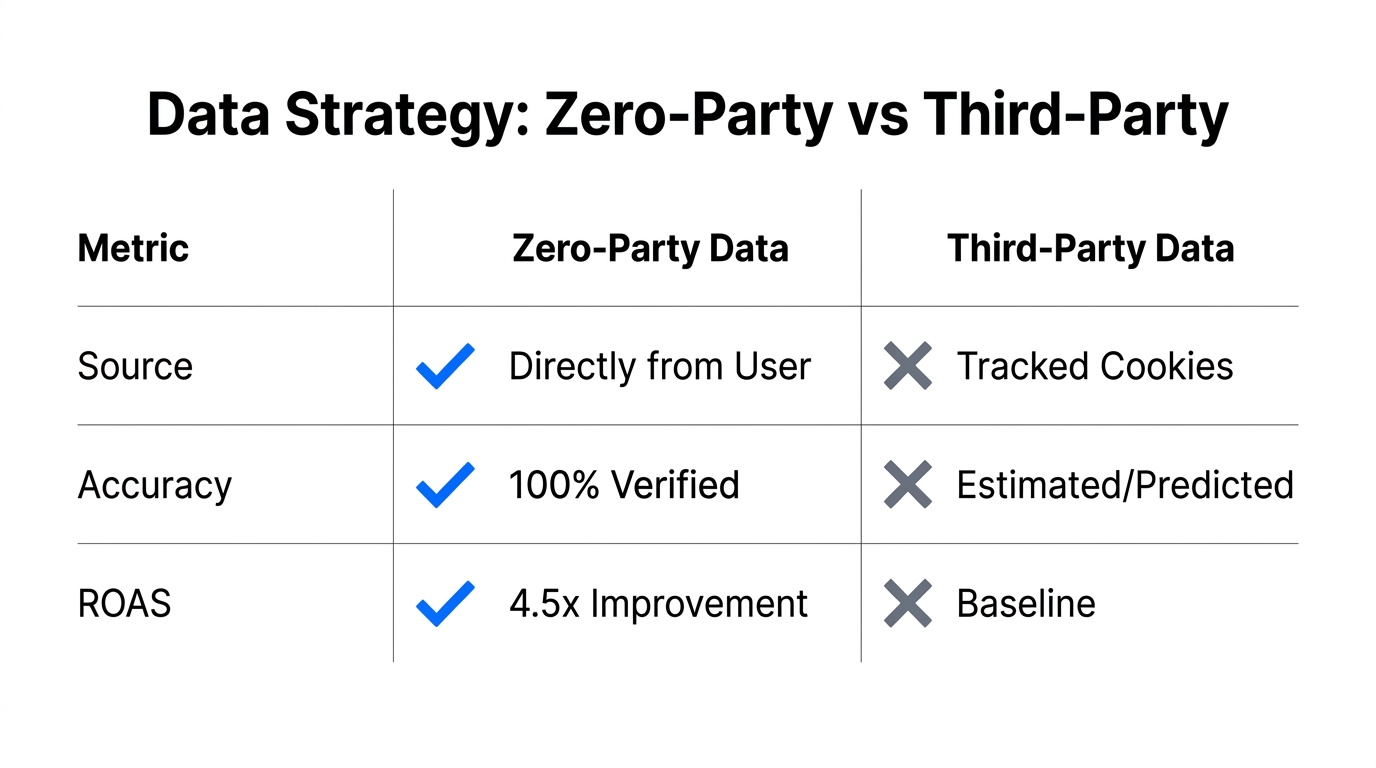
With the final death of third-party cookies, the 2026 marketer relies on Zero-Party Data. This is data that customers intentionally and proactively share with a brand. This is most effectively collected through:
- Interactive Quizzes: "Find your perfect skin routine in 30 seconds."
- Preference Centers: Allowing users to choose their content frequency and product interests.
- AI-Driven Surveys: Using dynamic surveys to gather insights without interrupting the UX.
By using Klaviyo for SMS and email automation based on this zero-party data, brands can maintain high levels of personalization without violating privacy regulations. This transparency builds trust, which is a major conversion driver in the 2026 landscape.
The 2026 CRO Playbook: Actionable Tactics
To achieve a high-performing store, follow this multi-step optimization sequence:
Step 1: Visual and Sensory Trust
In 2026, static images are the bare minimum. According to Wyzowl, adding high-quality product videos can increase conversions by 21% to 34%. Brands are also integrating AI-generated UGC and social proof directly onto the Product Detail Pages (PDPs). Platforms like Stormy AI streamline this by helping brands discover and manage creators who produce the authentic content that 93% of consumers say influences their purchase decisions.
Step 2: Remove Checkout Friction
Friction is the enemy of the 2026 shopper. Implementing 1-click checkout options like Shop Pay or Apple Pay typically boosts conversions by 16-21%. Furthermore, 35% of shoppers will abandon a cart if forced to create an account—always provide a guest checkout option.
Step 3: Technical Performance Audit
Page speed is not just an SEO metric; it is a CRO metric. A 1-second delay in mobile load time can reduce conversions by 7%, a fact long championed by Think with Google. Use tools like Google PageSpeed Insights to monitor your Core Web Vitals and ensure your site is optimized for the speed of modern mobile networks.
Case Study: World of Wonder and the Power of Tailored AI
A prime example of these strategies in action is the brand World of Wonder, the production house behind RuPaul’s Drag Race. By shifting away from generic marketing and implementing AI-driven tailored marketing strategies, they achieved a massive 20% lift in conversions for their product lines.
They achieved this by:
- Segmenting their "power users" and optimizing the journey specifically for high Customer Lifetime Value (CLV) segments, a strategy advocated by Valentin Radu.
- Utilizing video-first product displays.
- Integrating AI wishlist tools that re-engaged returning customers with personalized offers.
"CRO in 2026 isn't about changing the color of a button; it's about changing the logic of the entire customer journey based on individual intent."
The 2026 CRO Tech Stack
To execute this playbook, you need a modern stack that supports agentic commerce and rapid experimentation. Below is the definitive list of tools for 2026.
| Category | Recommended Platform | Best Feature |
|---|---|---|
| A/B Testing | VWO | AI Hypothesis Generator |
| Behavioral Analysis | Hotjar / Microsoft Clarity | Real-time Heatmaps |
| Hyper-Personalization | Rebuy Engine | Smart Cart Upsells |
| Funnel Optimization | Mutiny | Autonomous Pathing |
| Influencer/UGC Sourcing | Stormy AI | AI Creator Discovery |
The Path Forward: Future-Proofing Your Conversion Rate
As we move deeper into 2026, the brands that win will be those that view ecommerce conversion rate optimization 2026 as a holistic psychological and technical challenge. The shift toward agentic commerce is inevitable; your customers will soon expect an AI agent to handle the heavy lifting of their shopping experience.
Start by auditing your mobile experience for a 1-second load time, implement a guest checkout option, and begin experimenting with zero-party data collection through interactive quizzes. By combining the emotional intelligence of "Emotion-First CRO" with the raw power of AI hyper-personalization, you can turn your ecommerce store into a high-converting engine that outperforms the 2026 benchmarks.
For those ready to leverage the power of authentic social proof to fuel their CRO efforts, Stormy AI provides the tools needed to find, vet, and collaborate with the creators who will drive your next wave of conversions. The era of manual optimization is over—welcome to the age of Agentic Commerce.