The landscape of app store optimization 2026 has undergone a fundamental transformation, moving away from simple keyword matching toward a sophisticated model of Intent-Based Semantic Optimization. In a world where search remains the primary driver of growth, accounting for 70% of all App Store discovery, developers can no longer rely on legacy tactics. With Apple’s 2025 algorithm shift and the rise of Generative AI search interfaces like ‘Ask Play,’ visibility is now a high-stakes battle of context, user experience signals, and intent-based keyword strategy. Today, success requires more than just filling a 100-character field; it requires a deep understanding of how algorithms like Apple’s ‘Curator’ interpret user needs.
Understanding the Shift to Intent-Based Semantic Optimization
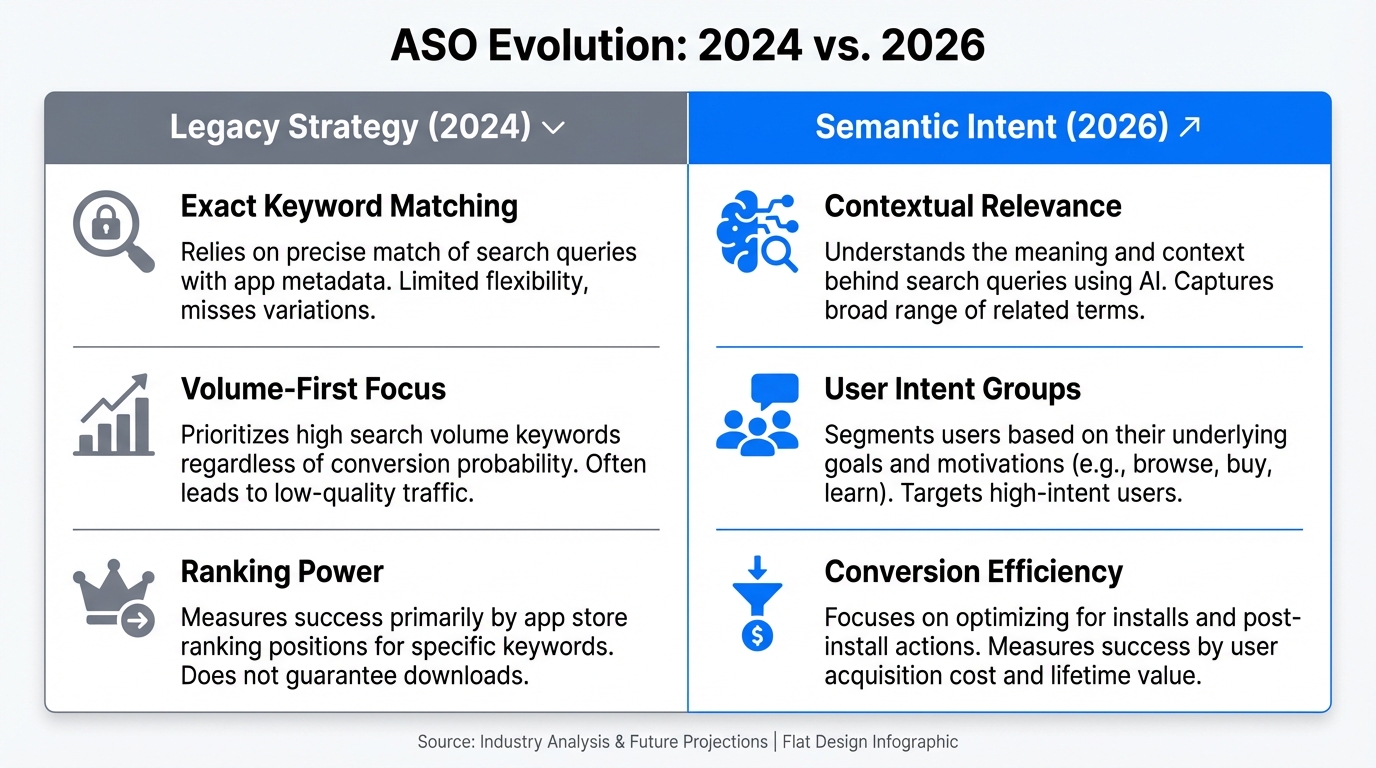
For years, ASO was about repeating the same high-volume terms across metadata. However, the introduction of Apple’s "Curator" algorithm has changed the game. Algorithms in 2026 no longer just look for exact string matches; they group search terms into Intent Clusters. This means that a user searching for “quick meal prep for busy parents” is recognized as having the same intent as someone searching for “family dinner planner.” According to research on consumer trend data, the algorithm now prioritizes apps that demonstrate topical authority over those that simply have the highest download velocity.
"The shift from keyword strings to Intent Clusters means that targeting a specific niche like 'AI-powered grocery list for families' is now more effective than fighting for the high-competition head term 'Grocery'."
Furthermore, we are seeing the rise of Experience Optimization (AXO). In 2026, app stores have integrated post-install behavior directly into organic ranking signals. Factors such as 30-day retention rates, in-app event engagement, and app stability are no longer just product metrics; they are critical ASO ranking signals. If your app has high crash rates or low engagement, your ranking for high-intent keywords will plummet, regardless of how well-optimized your metadata is. This holistic view of the user journey is a hallmark of modern app growth strategies.
Leveraging AppTweak for AI-Driven Popularity and Semantic Gap Analysis
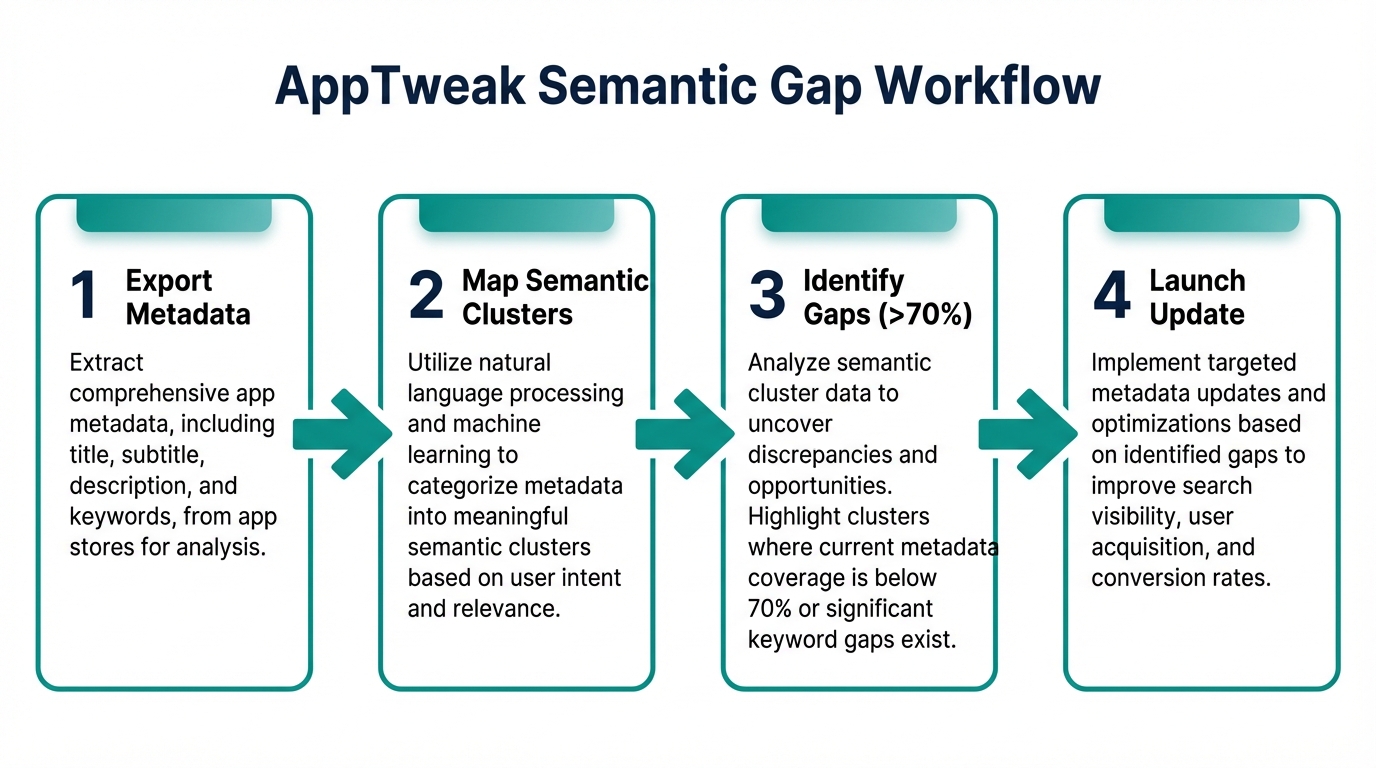
To navigate this complex landscape, top-tier growth teams use AppTweak analytics to identify the "Semantic Gap" between their app and the market leaders. AppTweak’s AI-powered engine provides a Popularity Index that goes beyond simple 1-100 scores. It analyzes the semantic relevance of your current keyword set against the actual queries users are typing into the search bar. By using tools like AppTweak, you can see which intent clusters your competitors are dominating and where there is an untapped opportunity to capture high-intent traffic.
| Feature | AppTweak Focus | Benefit for 2026 ASO |
|---|---|---|
| Semantic Gap | Competitor Keyword Overlap | Identifies missed organic opportunities in your niche. |
| AI Popularity | Real-time Search Volume | Filters out "dead" keywords with zero actual intent. |
| ASA Synergy | Paid-to-Organic Correlation | Uses Apple Search Ads data to boost organic rank. |
Another critical advancement in 2026 is Screenshot Indexing. Apple’s algorithm now extracts and indexes text directly from your screenshot captions. This means your visual assets are a dual-threat tool for both conversion rate (CVR) and discoverability. When utilizing MobileAction’s keyword matrices, you should ensure that the keywords in your captions align with your most important intent clusters. This synergy ensures that the Curator algorithm sees a consistent message across both your text-based metadata and your visual storytelling.
Sensor Tower and the ASO/ASA Synergy: Competitive Ad Intelligence
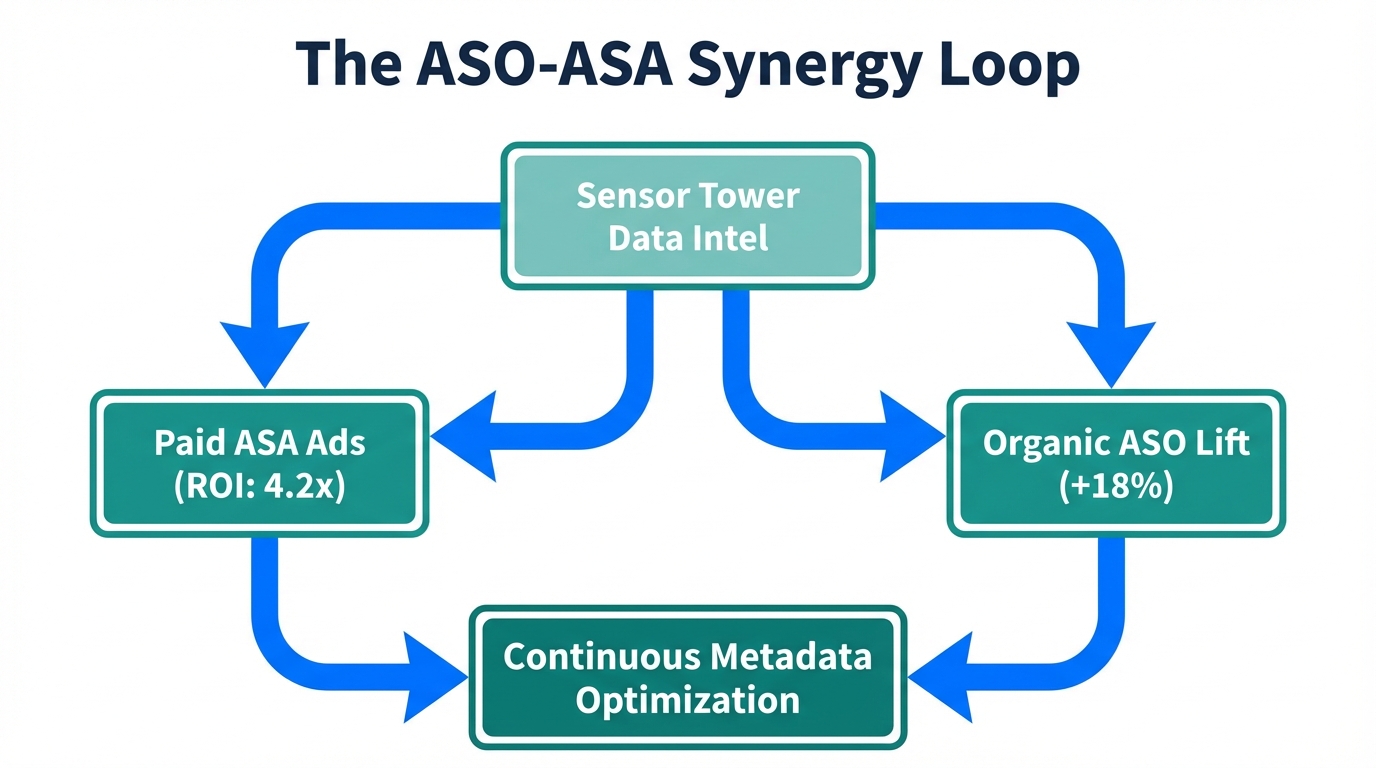
In the ad-heavy search environment of 2026, the gap between organic result #1 and #2 has widened significantly. Apple expanded search inventory in March 2026, allowing multiple ads to appear further down the results page. This makes Sensor Tower competitor research indispensable for bridging the gap between ASO and Apple Search Ads (ASA). By monitoring Sensor Tower’s competitive ad intelligence, you can see which keywords your rivals are bidding on most aggressively. If a competitor is spending heavily on a specific term, it's a clear signal of high conversion intent, making it a prime candidate for your own organic intent-based keyword strategy.
Successful apps in 2026 use Custom Product Pages (CPPs) to match this intent. With Apple now allowing up to 70 CPPs, you can assign specific intent cluster keywords to dedicated landing pages. For example, a fintech app might show one page for "automated expense tracker" and another for "investment tips for beginners." According to data on Custom Product Page lift, apps utilizing this mapping see an average 8.6% lift in conversion. To truly scale this, platforms like Stormy AI can help source and manage UGC creators who can produce the specific video content needed for these 70+ custom pages, ensuring that the visual intent perfectly matches the search query.
"The 'Victory Moment' prompt is the ultimate ASO hack: trigger a review request right after a user achieves a goal, and specifically ask 'What is your favorite feature?' to encourage keyword-rich reviews."
The 2026 Maintenance Playbook: 5 Steps to Ranking Velocity
Keyword popularity is no longer static; it fluctuates weekly based on cultural trends, seasonal shifts, and competitor moves. To maintain ranking velocity, you must follow a structured update cycle. The most successful apps avoid the "Set and Forget" trap, instead opting for updates every 3–5 weeks. Using app store search volume tools regularly is non-negotiable for staying relevant.
- Identify Intent Clusters: Use growthbykev.com’s frameworks to group your keywords into 3-5 primary intent clusters rather than a list of individual words.
- Audit Difficulty Scores: Never target a keyword with a difficulty score above 80 if your app’s current authority (ratings/downloads) is low. Use ASOMobile to find niche markets where you can rank #1-3.
- Bridge the ASA Gap: Align your highest-converting ASA keywords with your organic Title and Subtitle. Remember: metadata cannibalization is a waste of space—never repeat words across different fields.
- Scrape the Review Loophole: Use AppFollow to analyze user reviews for recurring phrases. If users call you the “best offline maps for hikers,” the algorithm will eventually rank you for that, so incorporate it into your official metadata to accelerate the process.
- Localize via "Super Geo": Don't just translate. Use Super Geo tactics to target regional slang and cultural search patterns, which can double your indexed keyword capacity in competitive international markets.
Conclusion: The Future is Semantic
In 2026, app store optimization is as much a psychological challenge as it is a technical one. Success requires moving away from high-volume, generic terms and embracing the specific, intent-driven needs of your users. By leveraging the AI-driven power of AppTweak analytics and the competitive depth of Sensor Tower, you can build an ASO strategy that is both resilient and highly targeted. Remember, the goal is no longer just to be found; it is to be found by the right user at the exact moment their intent matches your app’s unique value proposition. For teams looking to scale these strategies through high-converting creative, Stormy AI provides the tools to discover and outreach to the UGC creators who will drive your conversion rates to new heights.