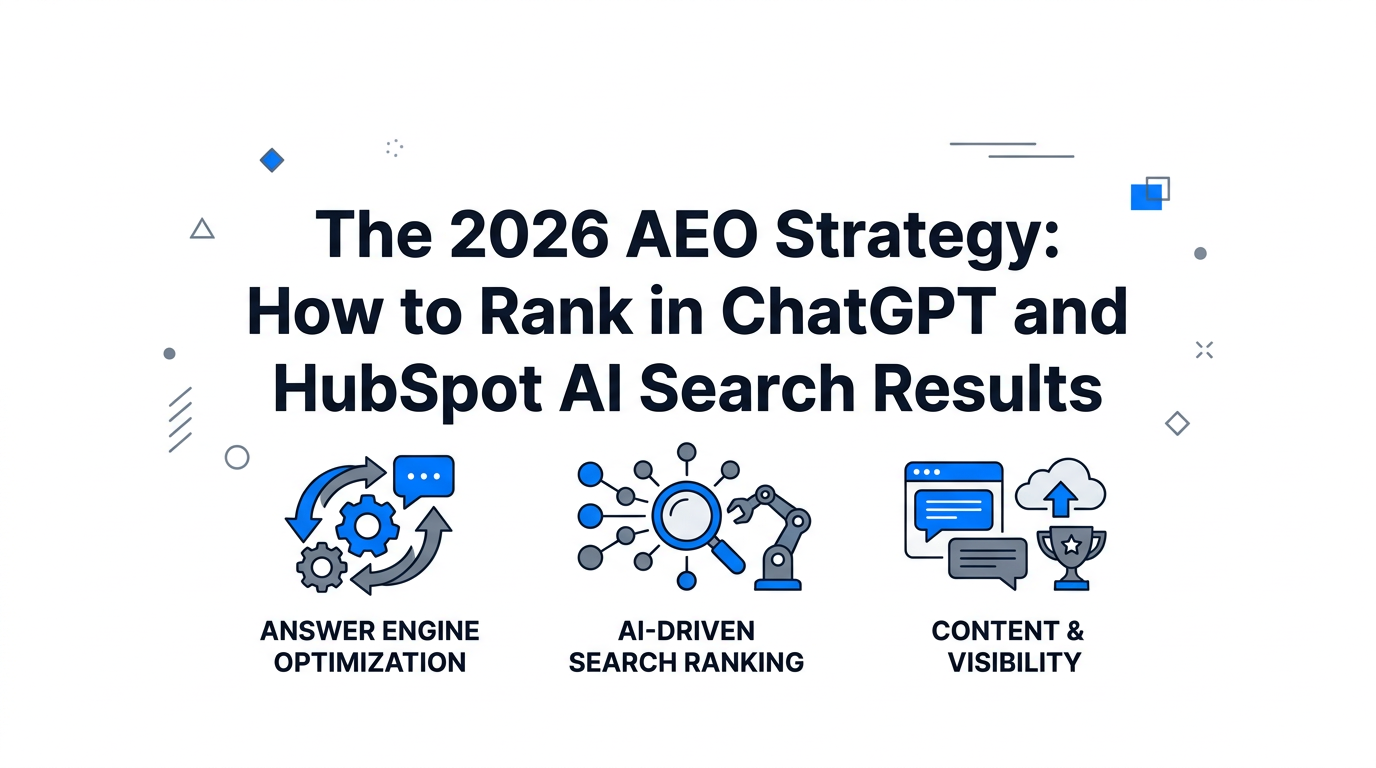
In 2026, the traditional search landscape has been turned upside down. For nearly two decades, the goal of marketing was to win the "10 blue links" on the first page of Google. But as HubSpot founder Dharmesh Shah recently noted, the era of search engine dominance is being replaced by Answer Engine Optimization (AEO). Users are no longer interested in clicking through five different websites to find a solution; they want ChatGPT or their AI-powered CRM to simply give them the answer.
For many marketers, this shift has been painful. Organic traffic from traditional search is projected to drop by 25% or more by 2026 in many industries as users migrate to "Answer Engines." This isn't just a change in technology; it's a change in human behavior. If you want your brand to survive this year, you need a tactical playbook for being the citation of choice for the world's most powerful AI models.
"If you are not in the actual citations of the AI's answer, you might as well not have played the game because the outcome is binary: you are either the answer, or you are zero."The Decline of 10 Blue Links and the Rise of AEO
Dharmesh explains the shift from traditional search results to AI-driven answer engines.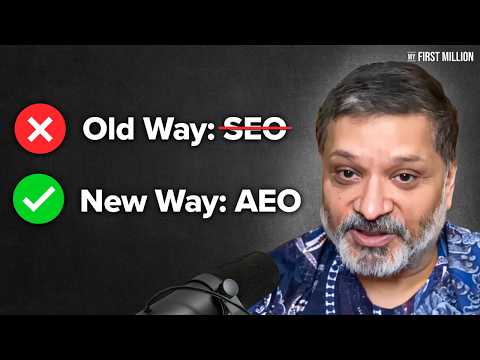
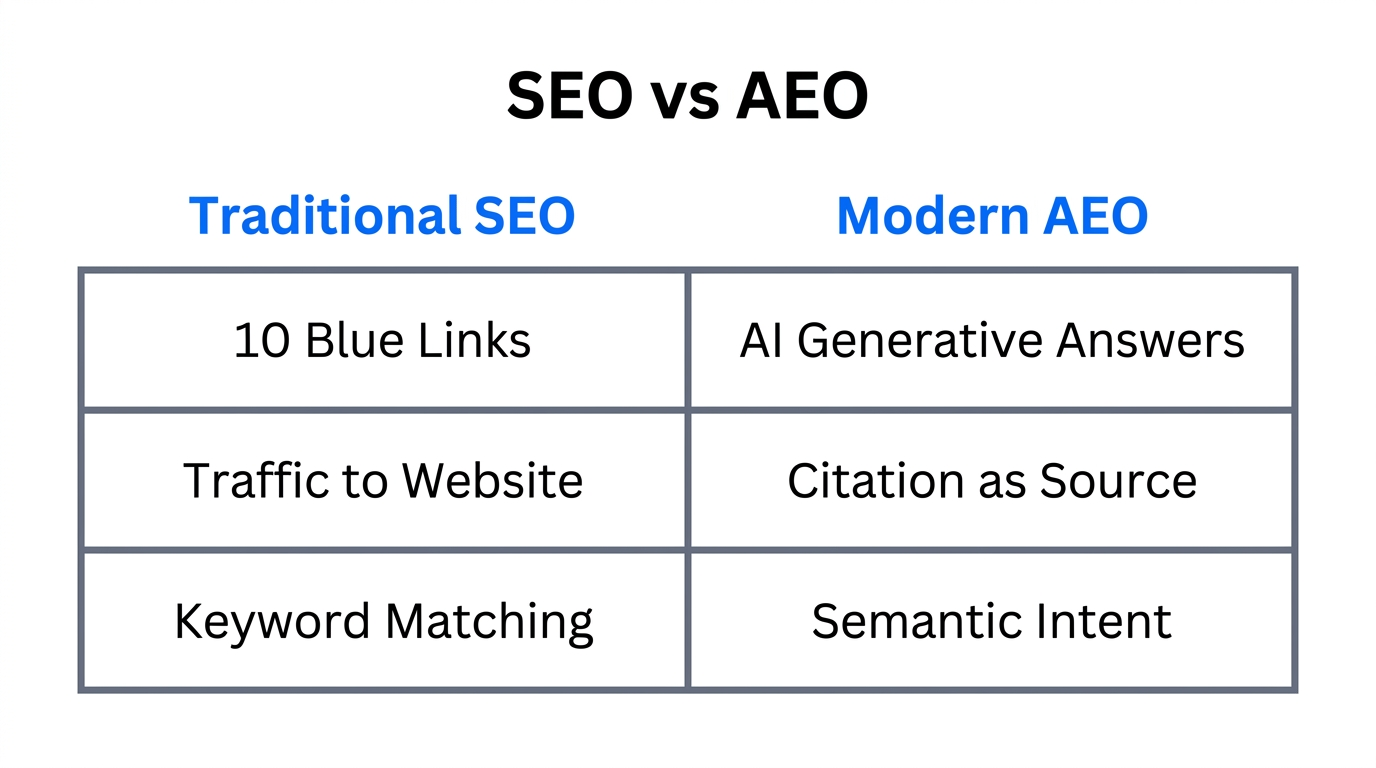
Traditional SEO was a game of probabilities. You optimized for keywords, earned backlinks, and hoped to capture a percentage of the clicks on a search results page. In 2026, OpenAI and its competitors have reached a critical mass, with hundreds of millions of weekly active users asking direct questions. When an AI provides a definitive answer, the click-through rate to external websites vanishes.
This is where Answer Engine Optimization (AEO) becomes critical. Unlike SEO, which focuses on ranking, AEO focuses on inclusion. The AI is a market maker for niche information. Whether someone is looking for "fences for llamas" or "the best CRM for startups," the AI's goal is to synthesize the best information into a single, cohesive response. To rank in 2026, you must make the AI's job easier by structuring your value as a definitive answer.
Step 1: The Technical Foundation—Allowing AI Bots to Index Your Site
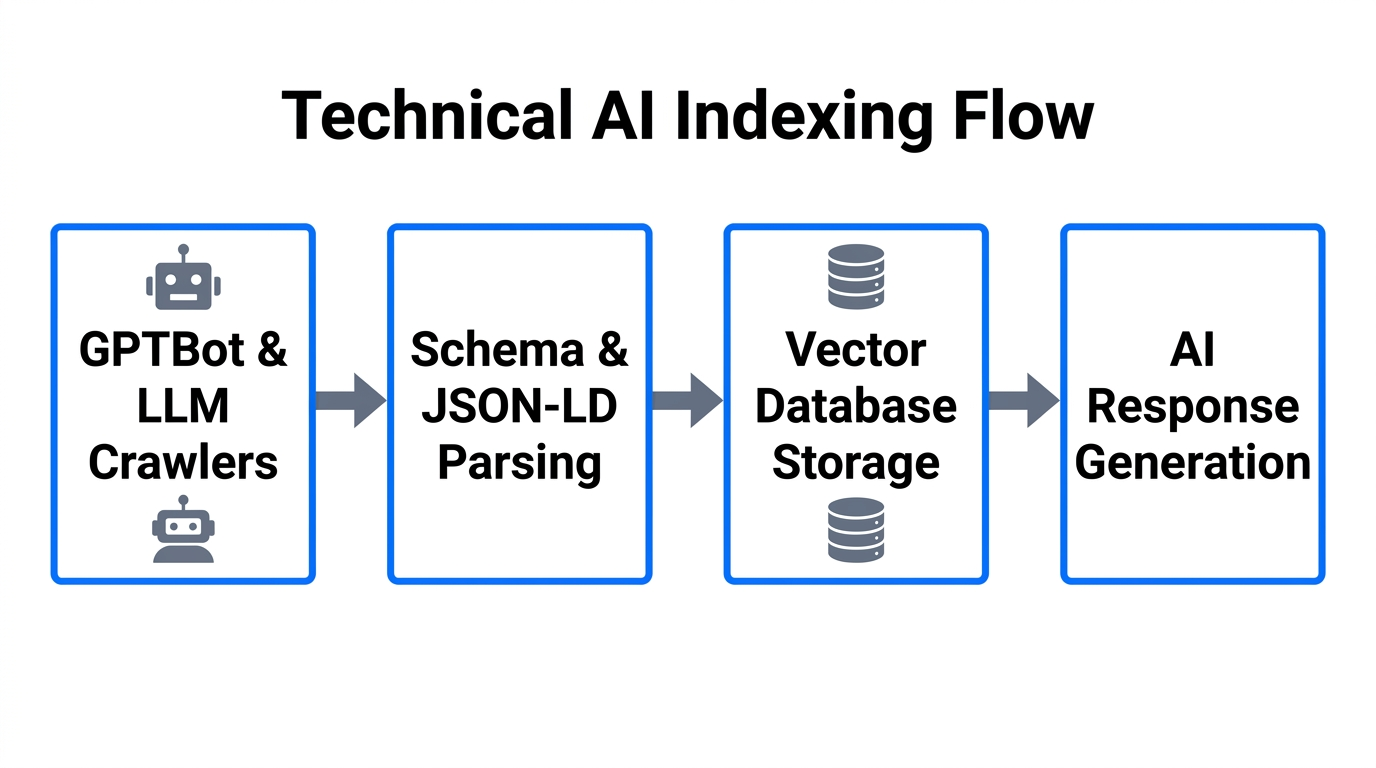
Before you can rank, you must be seen. While most marketers are familiar with Google’s crawler, 2026 requires specific attention to the bots powering the AI revolution. If your robots.txt file is outdated, you might be accidentally blocking the very engines you need to influence.
Enable 'oi-searchbot' and 'GPTBot'
To ensure your content is included in real-time AI search results and future model training, you must explicitly allow access to 'oi-searchbot' (the bot used for OpenAI’s search capabilities) and 'GPTBot'. Many sites block unknown crawlers to save server resources, but in the era of AI search optimization 2026, being invisible to these bots means being non-existent in the market.
Measuring AI Referral Traffic
You cannot improve what you do not measure. Platforms like HubSpot now include built-in tracking for AI referrals. When a user clicks a citation in a chat interface, it often self-reports via a UTM source parameter. Check your GA4 analytics today to establish a baseline for how much traffic is already flowing from AI-driven queries.
| Metric | Traditional SEO (Legacy) | 2026 AEO (Current) |
|---|---|---|
| Success Metric | Keyword Ranking (1-10) | Citation Inclusion |
| Primary Target | Google Search Algorithm | LLM Crawlers (GPTBot, etc.) |
| Content Format | Long-form Prose & Hooks | Structured Q&A |
| User Intent | Discovery/Browsing | Direct Problem Solving |
Step 2: Reformatting Content into High-Intent Q&A Structures
Discover how to structure web pages to help AI agents better understand your content.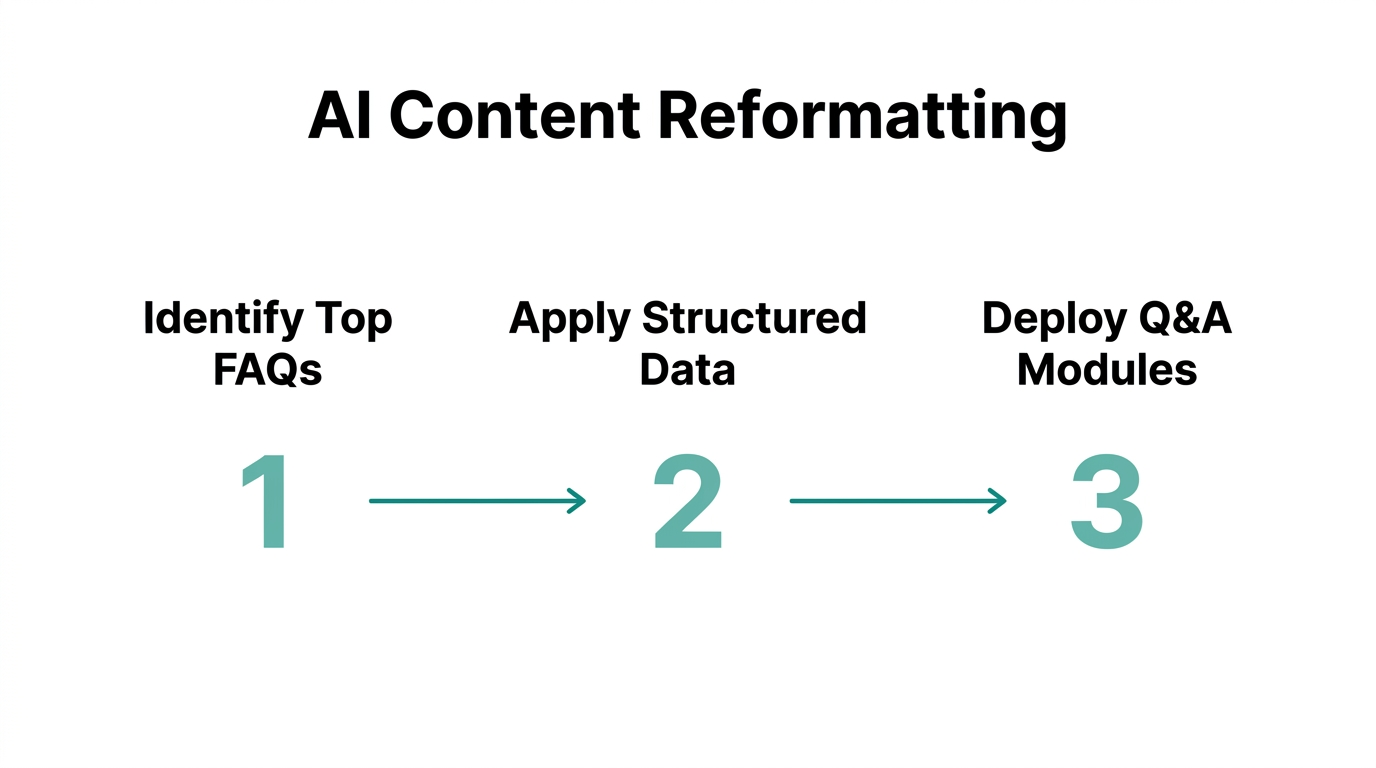
In the past, we wrote for humans and used SEO as a proxy. In 2026, we must write for the AI crawler that is acting as a researcher for the human. This requires a shift from narrative storytelling to structured, definitive answers. AI models prefer content that is easy to parse and directly addresses a user's pain point.
The "Best Possible Answer" Strategy
Search for your target keyword in ChatGPT. If the answer it gives is pulled from a competitor, ask yourself: "Does my web page deserve to rank higher than what is showing up right now?" If your content is vague or hidden behind marketing jargon, the AI will ignore it. You need to produce the single most useful response to the specific question being asked.
- Use H3 tags for the actual questions users are asking (e.g., "What is the best CRM for small business?").
- Follow the heading with a direct, concise 1-2 sentence answer.
- Provide supporting evidence, such as a comparison table or a bulleted list of features.
- Include real-time data like pricing, inventory, and compatibility.
"The AI is looking for the best possible answer to the question the user is asking. Reduce the friction for the AI to find that answer, and you win."Step 3: Influencing the Recommendation Engine via Reddit and G2
Learn why building high authority links is still crucial for ranking in AI models.AI models don't just look at your website; they look at what the world says about you. To influence HubSpot AI marketing and ChatGPT results, you must have a presence on high-authority community platforms. The AI over-indexes on sites where humans provide definitive, upvoted opinions.
The Reddit Factor
In 2026, Reddit is one of the most powerful signals for AEO. When a user asks an AI for a recommendation, the AI often crawls Reddit threads to see what real humans are saying. If a thread asks "What's the best tool for influencer discovery?" and multiple upvoted comments mention specialized AI platforms, the AI is highly likely to cite those tools as top results.
G2 and Review Sites
For B2B companies, your G2 profile is now a critical part of your technical SEO stack. AI models use these sites to build comparison tables for users. If your data on G2 is incomplete or your reviews are stale, you will be left out of the AI's synthesized "top 5" lists.
Step 4: Implementing Structured Product Catalogs for Shopping
How to use structured product catalogs to increase visibility in modern AI searches.If you are in e-commerce, your AEO strategy depends on how well the AI understands your inventory. Modern AI assistants are now acting as personal shoppers, comparing prices and shipping times in real-time. This is why having a structured catalog on platforms like Shopify is non-negotiable.
The AI needs to know more than just the product name; it needs semantic data—size, color, weight, and most importantly, current stock levels. If an AI recommends a product that is out of stock, it fails the user. Therefore, it will prioritize brands that provide real-time inventory feeds via Schema.org or direct API integrations. This ensures that when a user says "Find me a blue synthesizer in stock for under $500," your product is the one they see.
How Influencer Marketing Fuels AEO
One of the most effective ways to build the "social proof" that AI models crave is through creator partnerships. By working with influencers on TikTok, YouTube, and LinkedIn, you generate a massive footprint of digital mentions that AI crawlers pick up during their training and search phases.
Using a platform like Stormy AI allows you to identify the specific creators who are already dominating the conversations that AI engines prioritize. When these creators mention your product, it doesn't just drive immediate traffic—it creates a permanent record in the datasets that power 2026's answer engines. Whether you're managing these relationships in an AI-powered CRM or a specialized creator CRM, the goal is the same: omnipresence in the data.
"Traditional marketing was about interrupting the user. AEO is about building a version of the universe where your product is the only logical solution to the user's problem."Conclusion: Your AEO Playbook Summary
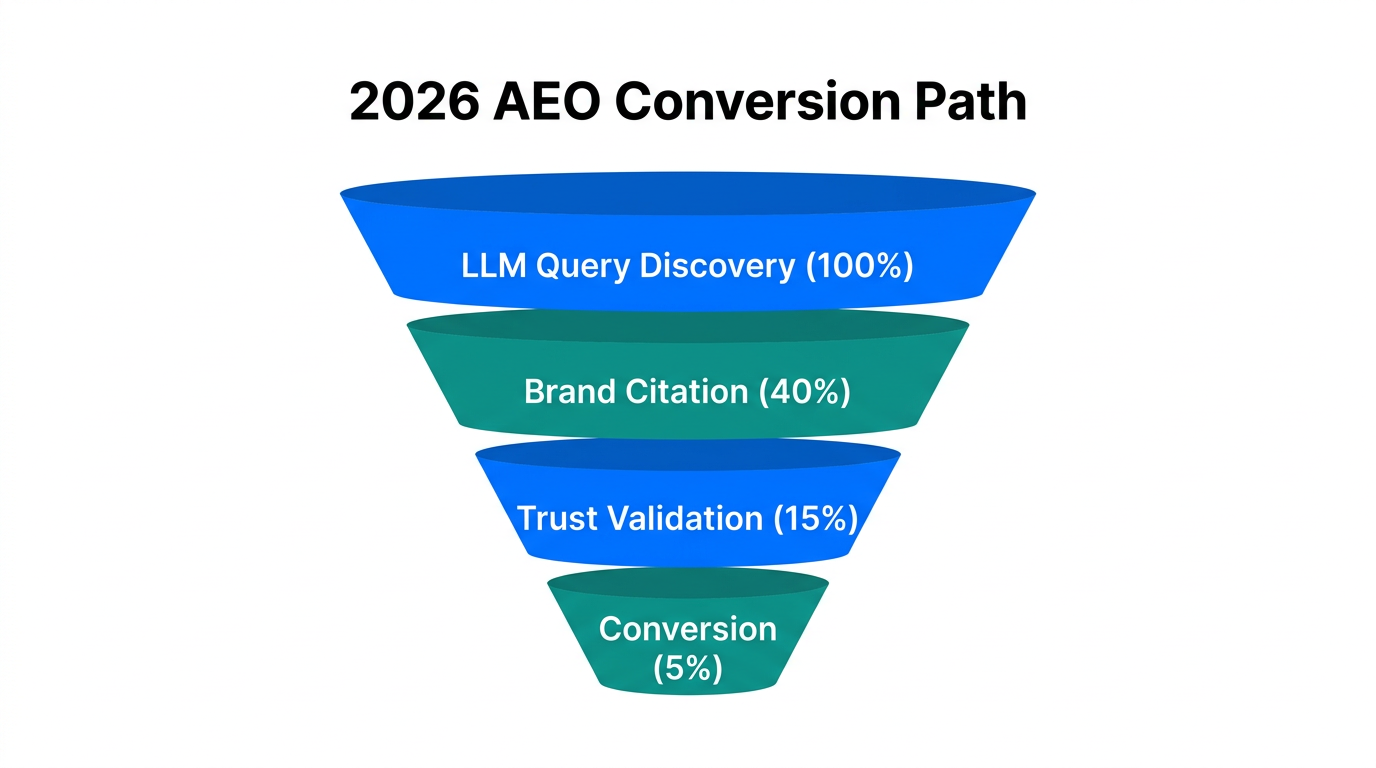
The transition from SEO to AEO isn't just another algorithm update; it is a fundamental shift in how information is discovered. To succeed in 2026, you must stop building pages for "clicks" and start building them for answers.
- Technical: Update your
robots.txtto allowGPTBotandoi-searchbot. - Analytical: Track AI referrals using HubSpot or Google Analytics.
- Content: Reformat high-traffic pages into clear Q&A structures with definitive takeaways.
- Community: Foster organic mentions on Reddit and G2 to influence recommendation weights.
- Influencer: Use Stormy AI to find creators who can help you dominate the niche discussions the AI is crawling.
By reducing the friction between the user's question and your brand's solution, you can capture the massive volume of high-intent traffic that is moving away from the search bar and into the AI chat interface. The future of SEO is not about links—it’s about being the single best answer in the world.