The iOS App Store has evolved from a simple repository into a hyper-competitive marketplace where visibility is the ultimate currency. For developers and marketers in 2025, the challenge isn't just about being present; it's about being discovered by the right users at the exact moment they express intent. Research shows that approximately 70% of App Store visitors use search to find new apps, and an even more staggering 65% of all downloads occur immediately after a search query, according to data from Mobile Action. This reality makes a robust app store optimization strategy the most critical lever in your mobile app growth marketing toolkit.
The 30-30-100 Rule: The Foundation of Modern ASO
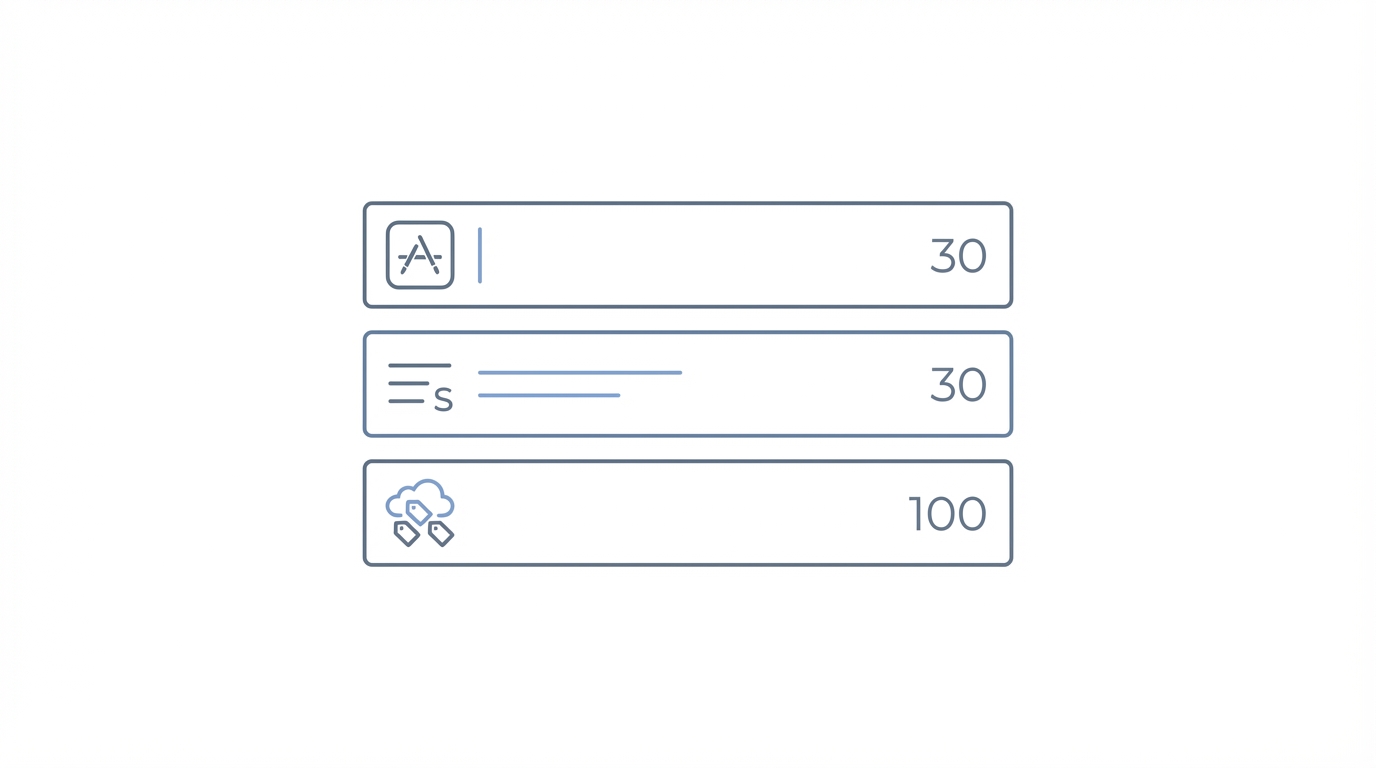
In the world of ios app store keywords, not all real estate is created equal. Apple’s algorithm assigns different weights to keywords based on where they are placed in your metadata. To maximize your app store search rankings, you must adhere to the 30-30-100 rule, which dictates how you allocate your character limits across the Title, Subtitle, and Keyword Field. The hierarchy is strict: the App Title carries the highest weight, followed by the Subtitle, and finally the Hidden Keyword Field. Expert analysis suggests that repeating terms across these fields does not increase their weight but instead wastes valuable space that could be used for long-tail variations.
When structuring your metadata, the Title (30 characters) should house your most critical broad keyword—for example, "Budget Planner" or "Sleep Tracker." The Subtitle (another 30 characters) should complement this by explaining the "how" or "why," such as "Track Expenses & Save Money." Finally, the 100-character Keyword Field should be reserved for synonyms, secondary terms, and long-tail variations, separated by commas without spaces. Efficiency is the name of the game in 2025, and every character must earn its place.
"Top-performing apps avoid filler words like 'the', 'and', and 'with' entirely, with these words appearing in less than 3.2% of titles among the top 250 apps."
Beyond Lexical Matching: The Rise of Semantic Indexing
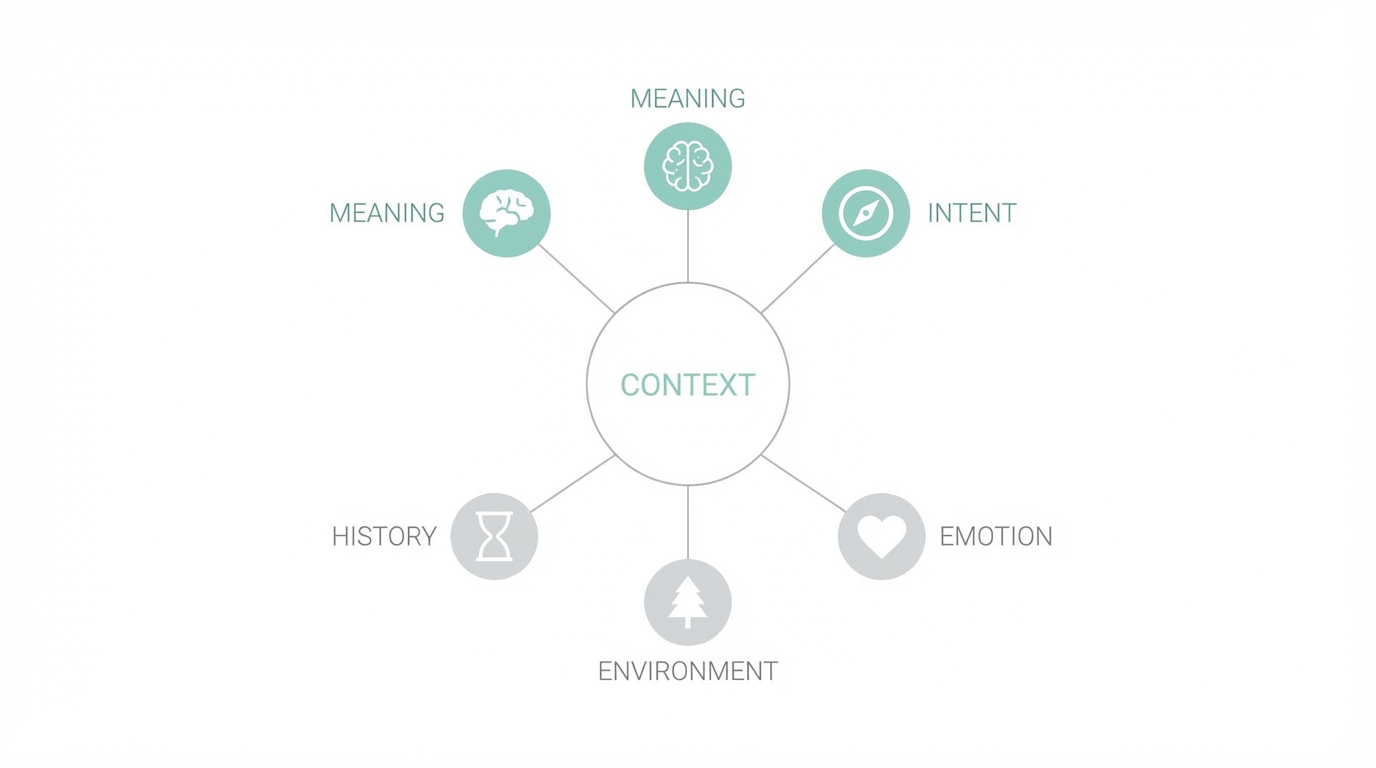
One of the most significant shifts in the 2025-2026 ecosystem is Apple’s move from simple lexical matching—where the store looks for the exact word you typed—to semantic understanding. The algorithm now clusters apps based on "thematic relevance." As noted by AppTweak, if your app ranks well for a term like "meditation," Apple may automatically associate your profile with "mindfulness" even if that specific word isn't in your metadata. This means your aso keyword research must focus on clusters of intent rather than just individual high-volume terms.
This semantic shift also places a premium on user engagement signals. Conversion Rate (CVR), retention, and even technical stability are now heavily weighted ranking factors. If an app ranks #1 for a specific keyword but suffers from a high uninstall rate or frequent crashes, the algorithm will quickly demote it. Apple is increasingly prioritizing the quality of the match over the literal match, making it essential to align your keyword strategy with the actual utility of your app.
The OCR Revolution: Why Your Screenshots are Now Keywords
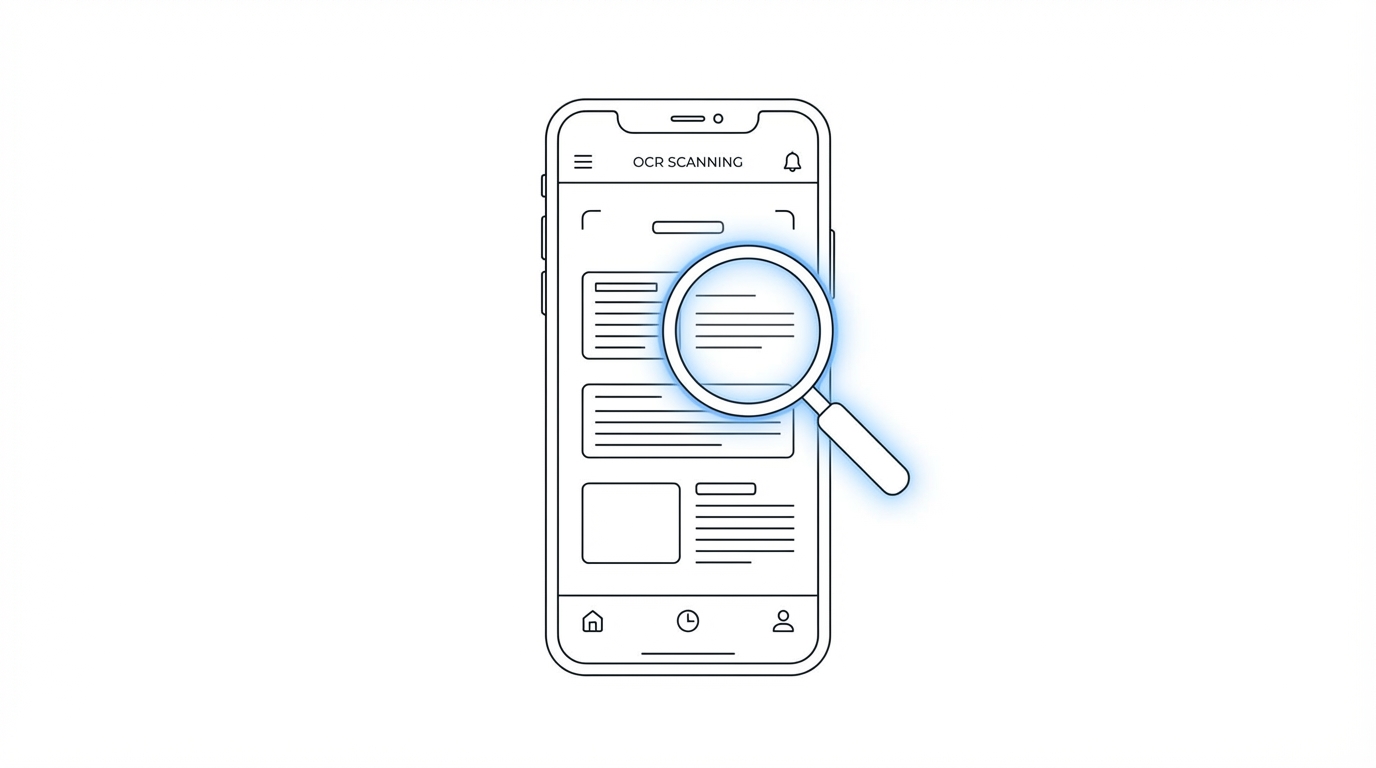
In mid-2025, a major update to the App Store algorithm changed the rules for visual assets. Apple now utilizes Optical Character Recognition (OCR) to extract text from your screenshot captions and use those terms for keyword indexing. Insights from Appfigures reveal that apps utilizing high-contrast, legible text in their screenshots are seeing an uplift in rankings for those specific terms. This means your screenshots are no longer just conversion tools—they are active participants in your SEO strategy.
To leverage this, focus on "active" captions that describe specific user benefits. Instead of a generic "Easy to Use," try "Track Sleep Patterns" or "Generate AI Art." These terms are now indexed, providing an additional layer of keyword density that was previously invisible to the search engine. By combining strategic visual text with traditional metadata, you can dominate app store search rankings through multiple discovery paths.
Leveraging UGC and External Signals for ASO Momentum
While technical metadata is the core of ASO, the broader mobile app growth marketing landscape is shifting toward multi-channel synergy. High-quality User-Generated Content (UGC) is one of the most effective ways to drive high-intent traffic to your App Store page. When users arrive at your page from a viral TikTok or a trusted influencer's recommendation, your conversion rate spikes. This positive conversion signal tells Apple that your app is relevant, which in turn boosts your organic keyword rankings.
For brands looking to source and manage these creators at scale, tools like Stormy AI can help discover the right influencers who align with your app's niche. By finding creators who already speak your target audience's language, you can generate the social proof needed to move the needle on your App Store metrics. Managing these relationships through a creator CRM ensures that your external marketing efforts consistently feed back into your organic search performance.
"The synergy between external UGC traffic and on-page conversion rate is the 'secret sauce' for ranking in the most competitive categories in 2025."
The Localization Hack: Doubling Your Keyword Space
A frequently overlooked app store optimization strategy involves the use of secondary locales. Many markets index keywords from additional languages. For example, the US App Store indexes keywords from the "Spanish (Mexico)" locale. By strategically adding a different set of keywords to your Spanish Mexico metadata, you can effectively double your keyword real estate in the US market without changing your primary English title. This "hidden" hack is common among top-tier developers who need every advantage in high-competition categories.
Furthermore, seasonal updates can provide a significant temporary boost. Updating your keywords for events like "New Year Fitness" or "Black Friday Deals" can increase conversion rates by up to 40% during those peak periods, according to Glance. ASO is not a static project; it is a dynamic cycle of testing, learning, and refining based on real-world data and seasonal shifts.
The 4-Week Metadata Refresh Playbook
To maintain ranking momentum, you cannot treat ASO as a "set it and forget it" task. Modern benchmarks suggest a 4-week refresh cycle is necessary to stay ahead of the competition. Follow this sequential playbook to keep your ios app store keywords optimized:
Step 1: Data Gathering & Performance Audit
Begin by analyzing your current rankings and conversion rates. Identify which keywords are driving downloads and which ones are stagnating. Use tools to check for "semantic penalties"—situations where you might be over-optimizing by repeating keywords too frequently, which can trigger a drop in visibility.
Step 2: Competitive Gap Analysis
Research your direct competitors to see which new terms they are targeting. Look for "anchor" keywords—terms that appear in a high percentage of apps in your category. For instance, in Education, the term "learn" appears in 18% of all apps. If you're missing an anchor term, prioritize it in your next update.
Step 3: Implementation of the 30-30-100 Rule
Draft your new Title, Subtitle, and Keyword Field. Eliminate all filler words. Ensure your most important high-volume keyword is in the Title. If you've identified a trending long-tail term with low competition, like the "hair product scanner" success story mentioned by ASO experts on YouTube, move it into your Subtitle to capture that rising intent.
Step 4: Monitoring and Review Integration
After pushing your update, monitor your rankings daily. Pay close attention to your reviews; keywords used by your customers in their feedback are increasingly used for semantic indexing. Responding to these reviews and incorporating user language back into your metadata completes the optimization loop.
Winning the ASO Game in 2025
Mastering ios app store keywords in 2025 requires a sophisticated blend of technical precision and creative marketing. By strictly following the 30-30-100 rule, embracing the shift toward semantic indexing, and leveraging the power of OCR and UGC, you can build a sustainable engine for organic growth. Remember that ASO is the bridge between your product and its potential users. Success belongs to the developers who treat metadata as a living asset, constantly evolving alongside the App Store algorithm and user behavior. Start your first 4-week cycle today and watch your visibility transform.