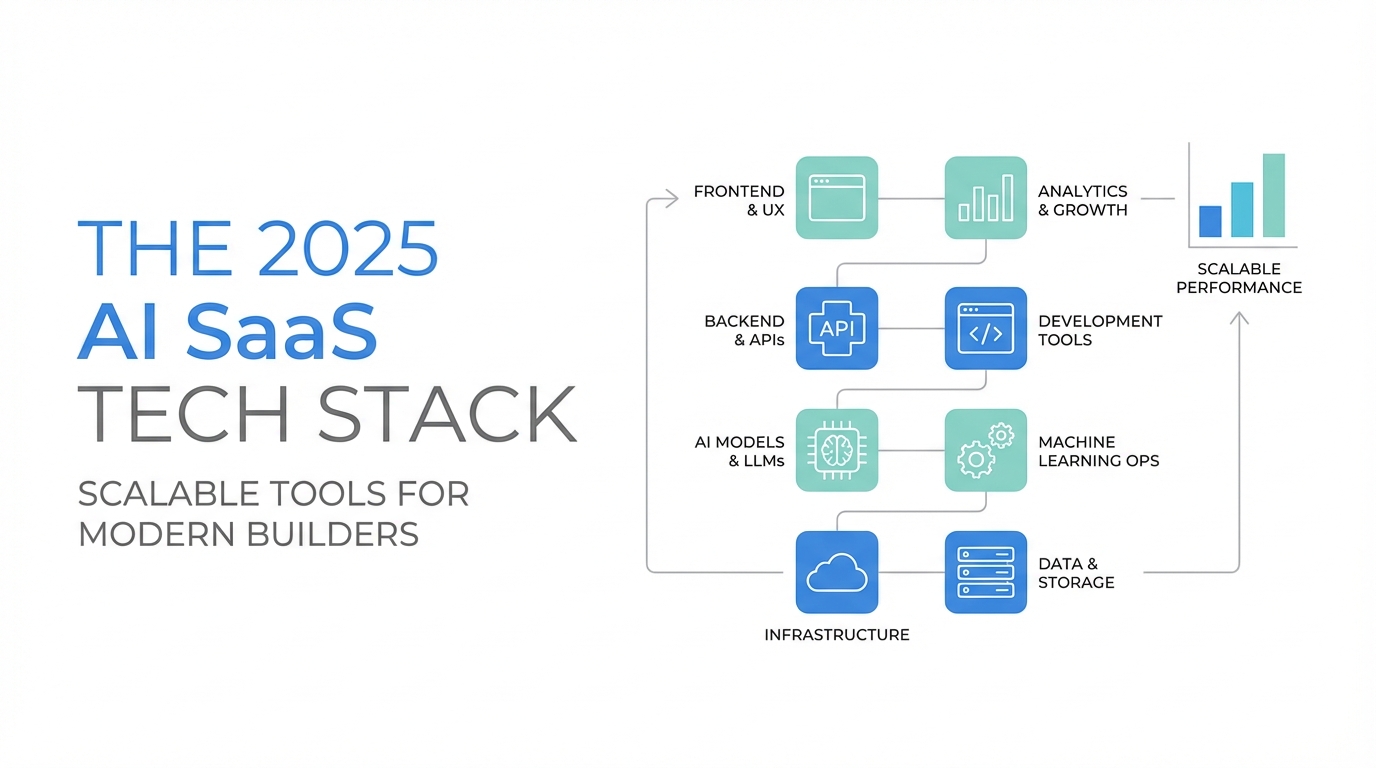
The barrier between a great idea and a profitable product has never been thinner. In 2025, the narrative of the "lone wolf" developer has shifted; we are now in the era of the AI-augmented builder. High-performance software that once required a team of ten engineers and six months of development is now being shipped by solo founders in a single weekend. We are seeing non-technical entrepreneurs leverage a saas tech stack 2025 to build apps like Launch Fast, which reached over $20,000 in Monthly Recurring Revenue (MRR) just 90 days after a 48-hour build. The secret isn't just working harder; it's choosing a stack that allows Large Language Models (LLMs) to do the heavy lifting for you.
The Foundation: Why Cursor and Next.js are the Best Stack for AI Apps
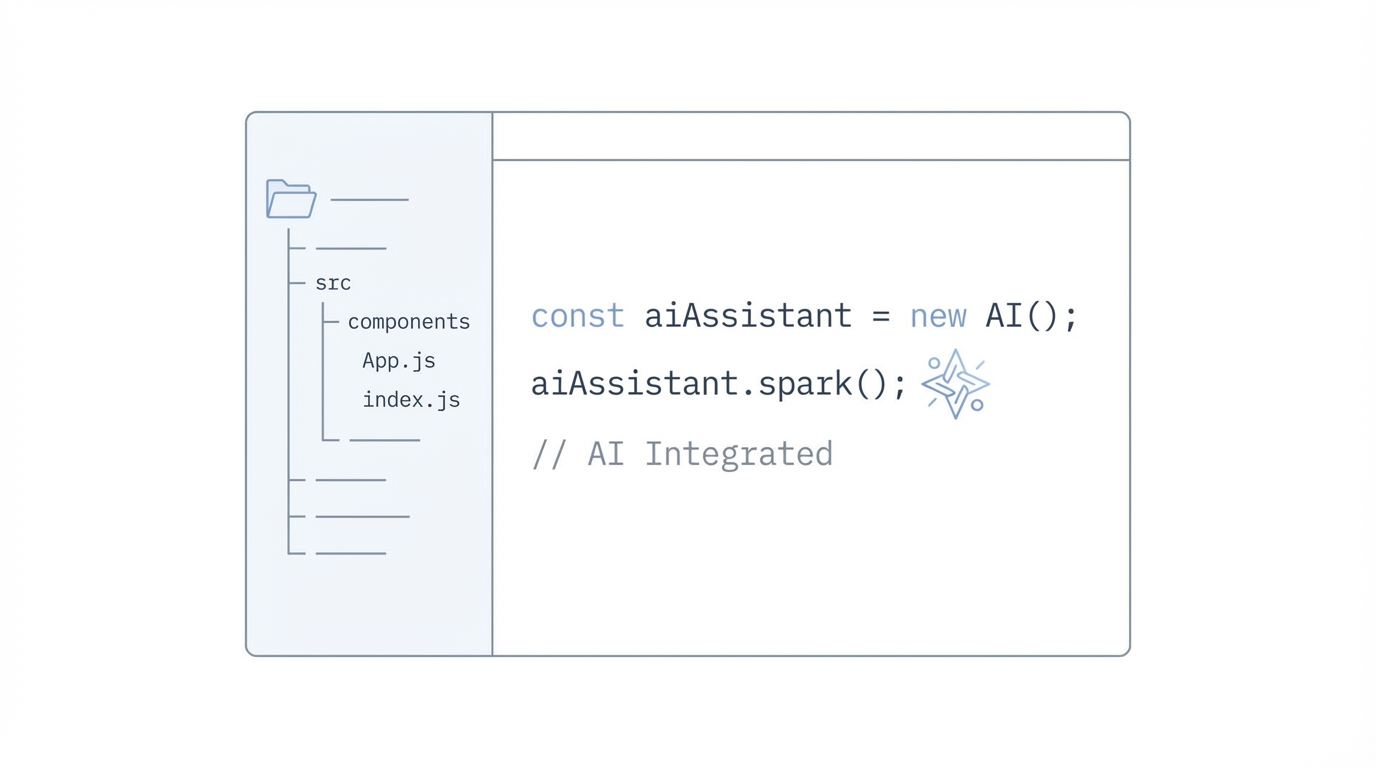
To build at the speed of thought, your development environment must be designed for AI collaboration. In 2025, the combination of cursor and supabase paired with Next.js has become the gold standard. Cursor isn't just an IDE; it is an AI-native code editor that understands your entire codebase. Unlike standard editors that require constant copy-pasting into a chat window, Cursor indexes your files, allowing it to provide context-aware suggestions that actually work.
Choosing Next.js and TypeScript for your logic layer is non-negotiable for AI-assisted coding. TypeScript’s strict typing provides a roadmap for the AI; because the types define the data structures, the LLM makes significantly fewer "hallucination" errors. This is the ultimate nextjs saas boilerplate strategy: use types to guide the AI, and use Next.js App Router to handle server-side logic and SEO effortlessly. When you build with these tools, you aren't just writing code; you are supervising an AI that understands the structural integrity of your application.
Backend and Auth: Replacing Complexity with Supabase
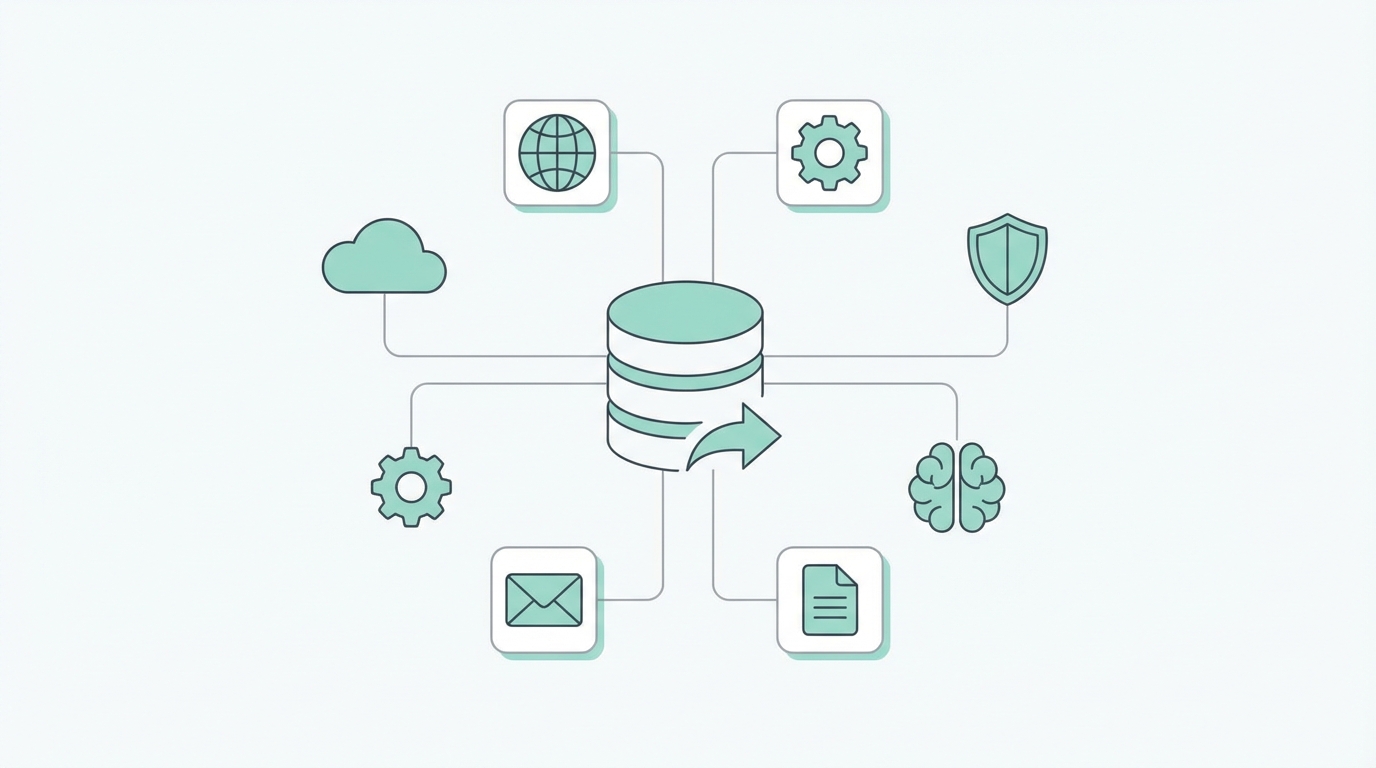
For years, founders struggled with the "Firebase vs. Supabase" debate. In 2025, the consensus for modern AI apps has leaned heavily toward Supabase. While Firebase offers a NoSQL approach, Supabase provides a powerful PostgreSQL database, built-in authentication, and instant storage—all accessible via a developer-friendly dashboard. For a solo builder, Supabase eliminates the need for a dedicated backend engineer.
One of the most critical updates is the Supabase Model Context Protocol (MCP), which allows cursor and supabase to communicate seamlessly. When the AI editor can see your database schema, it can write perfect SQL queries and frontend hooks without you touching the database directly. This integration is why founders like Hassam from Starter Story can launch a production-ready tool in 48 hours. By offloading the complexity of user management and data persistence to Supabase, you can focus 100% of your energy on the unique value proposition of your AI app.
Data Aggregation: Powering Niche AI with Apify

Most AI apps fail because they are just generic wrappers around ChatGPT. The successful ones—the ones hitting $20k MRR—are fueled by niche domain data. If you are building a tool for Amazon sellers, real estate agents, or mobile app developers, you need a way to aggregate data that isn't available in a standard LLM training set. This is where Apify becomes the secret weapon of your saas tech stack 2025.
Apify simplifies web scraping and data collection from complex sites like Amazon, Google Maps, or TikTok. For founders in the mobile space, using Apify to scrape user reviews or app store data can provide the raw material for highly effective User-Generated Content (UGC) strategies. If you’re looking to scale app installs, Stormy AI — an AI search engine that helps you find matching influencers across TikTok, YouTube, and Instagram via natural language prompts — can help you discover the right creators once you've identified the trends in your scraped data. Combining deep data scraping with AI-powered analysis allows you to offer insights that generic tools simply can't match.
Personalized Onboarding: Building Trust with Resend
In the world of SaaS, your first impression is often an email. Traditional email service providers are often bloated and difficult to integrate into a modern CI/CD workflow. Enter Resend, the email platform built specifically for developers. Resend allows you to send personalized, transactional emails using React components, ensuring your onboarding flow looks as good as your landing page.
Effective onboarding is critical when your target audience is a professional niche. Whether you are sending a welcome sequence or a data-heavy report generated by your AI, Resend’s clean API makes it the perfect fit for the best stack for ai apps. In addition to user emails, many founders leverage Stormy AI to handle automated creator outreach, setting up an AI agent that contacts and follows up with influencers on a daily schedule to drive growth while they sleep.
Deployment Without Friction: The Vercel Guide

The final hurdle for many builders is deployment. The days of configuring Linux servers or wrestling with AWS permissions are over for the solo founder. Following a vercel deployment guide involves just a few commands in your terminal. By using the Vercel CLI, you can move from local development to a globally distributed production environment in seconds.
Vercel’s integration with GitHub means that every time you push code—or every time Cursor helps you finish a feature—your site is automatically rebuilt and deployed. This continuous deployment loop is what enables builders to "ship daily." In a competitive market, the ability to iterate based on user feedback within minutes of receiving it is a massive competitive advantage. When your tech stack is this frictionless, you stop fearing the deployment process and start focusing on growth and user acquisition.
The 2025 Builder Playbook: From Idea to $20k MRR

Building the app is only half the battle. As Hassam highlighted in his journey with Launch Fast, distribution is the ultimate bottleneck. If you want to replicate his success, you need a playbook that combines technical execution with smart marketing.
Step 1: Identify Your Niche Domain Knowledge
Don't build another "generic AI assistant." Write down 3-5 industries where you have deep, personal knowledge. For Hassam, it was his corporate background and Amazon side-hustle. He understood the pain of spending 20-30 hours on product research. Your domain knowledge is the "prompt" that makes your AI tool valuable. If you understand the pain points of mobile app developers, for instance, you can use Stormy AI to vet creators, instantly detecting fake followers and analyzing audience demographics to ensure you're partnering with authentic influencers.
Step 2: Find Validated Markets
Innovation is risky; execution is profitable. Use tools like Sensor Tower or Ahrefs to find existing SaaS tools in your chosen niche. If they are making money, the market is validated. You don't need a unique idea; you just need to execute better using the efficiency of AI.
Step 3: Dive Into User Pain Points
Go where the customers complain. Reddit, Facebook groups, and niche forums are gold mines. Identify the specific defects in current tools. Are they too slow? Too expensive? Too complex? Your MVP should solve the highest ROI problem with the simplest implementation possible.
Step 4: Build the MVP in 48 Hours
Use the saas tech stack 2025 outlined above. Spend the first 4 hours mapping the SOPs (Standard Operating Procedures) of the niche. Spend the next 12 hours using Cursor to build core features. Focus on functionality over perfection. Use Google Ads or social search to see what keywords users are using to find solutions to their problems while you build.
Step 5: Leverage Existing Distribution
This is the "hack" that most builders miss. Don't try to build an audience from scratch. Find a coaching company, an influencer, or a community that already has your target customers. Offer them a partnership or equity in exchange for distribution. As the research shows, 50% of a successful business is better than 100% of a "graveyard" project on GitHub.
Step 6: Ship and Iterate Daily
Once you launch, the real work begins. Commit to shipping at least one improvement every day for the next 30 days. Use feedback from your initial users to fix bugs and add the most requested features. While you monitor ads, you can use Stormy AI to track every video and post your partners publish, monitoring views and engagement in a single analytics dashboard. Tools like Meta Ads Manager can help you scale once your conversion rate is stable, but early growth should be driven by the distribution partner and direct user feedback.
Conclusion: Stop Planning, Start Shipping
The year 2025 has effectively closed the gap between being an "ideas person" and being a founder. With tools like Cursor, Supabase, and Vercel, you no longer need a Computer Science degree to build production-grade software. The best stack for ai apps is one that empowers you to move fast and stay lean. Your costs remain minimal—often just the price of a Cursor subscription—until you find a winning product.
The only thing stopping you from shipping a $20k MRR application is the decision to start. Use your niche knowledge, pick up the saas tech stack 2025, and get your product into the hands of 10 people this weekend. Listen to their feedback, iterate, and keep shipping. The future belongs to those who build.