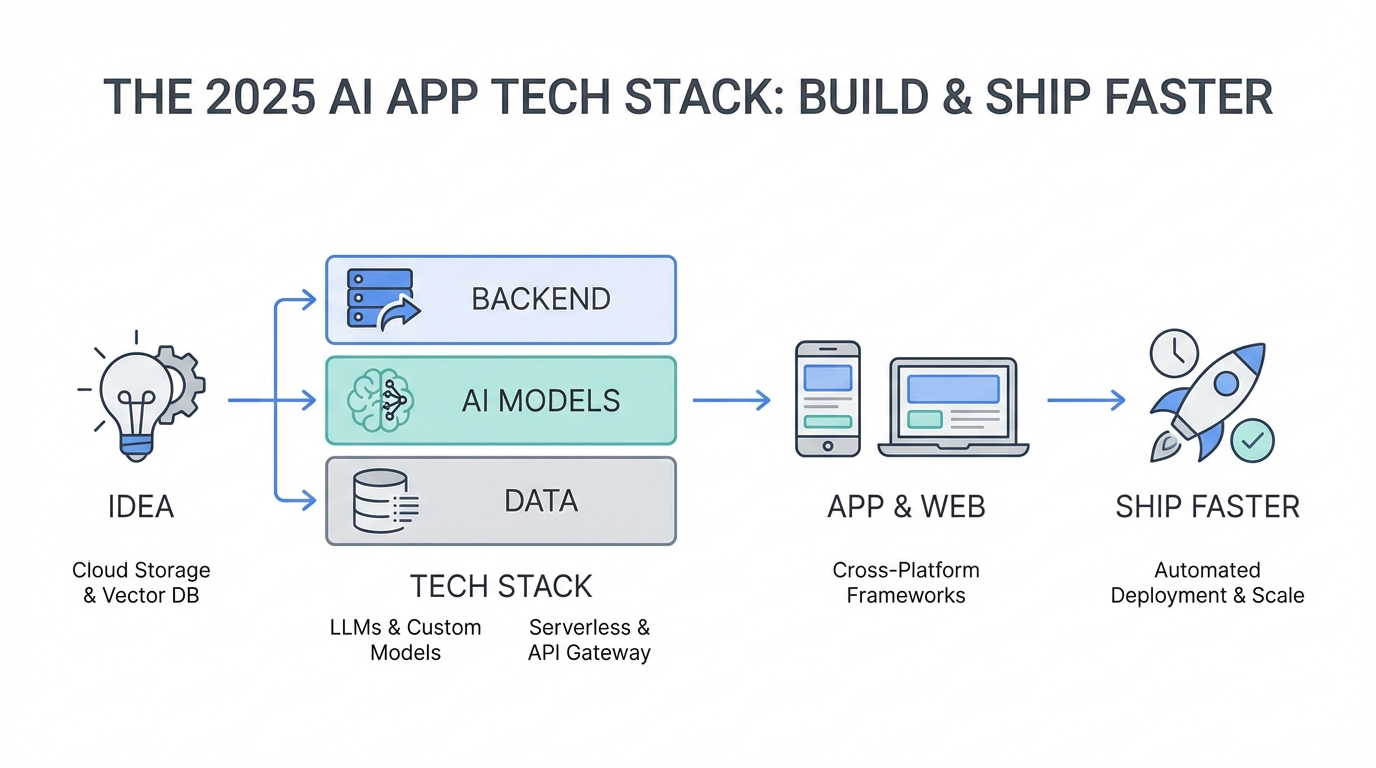
The era of the multi-year, multi-million dollar app development cycle is coming to an end. In its place, a new breed of "solopreneur-orchestrators" is emerging—founders who build lean, high-margin businesses by leveraging AI app development tools and a modular mobile app tech stack. Consider the case of Pre, a founder who scaled a portfolio of wellness apps from zero to $120,000 ARR in just 10 months. His secret isn't a team of fifty developers; it’s a ruthlessly efficient playbook and a suite of modern tools that allow him to maintain an incredible 85% profit margin. By focusing on niche problems and using AI to handle the heavy lifting of code and design, he has turned the traditional startup model on its head.
The Move to AI-Assisted Development: Bolt, Lovable, and Replit
In 2025, starting with a blank file in VS Code is often the slowest way to launch. The modern mobile app tech stack now begins with AI-first development environments. Tools like Lovable, Bolt, and Replit have fundamentally changed how founders move from idea to MVP. Instead of spending weeks on boilerplate code, these tools allow you to describe features in plain English and watch the code generate in real-time. This isn't just about "no-code"; it's about AI-assisted engineering that produces production-ready code faster than any human could type.
For Pre, these tools serve as a testing ground. Using a no-code app builder or an AI assistant like Lovable allows a founder to validate a concept before committing to full-scale development in Xcode. The goal is speed: "If you care about it, ship it," says Pre. By using ChatGPT for general logic and feature brainstorming, developers can focus on the user experience rather than the syntax. This approach allows for "putting in the reps," where each subsequent app in a portfolio is built more efficiently than the last.
The Foundation: Supabase for Data and RevenueCat for Monetization
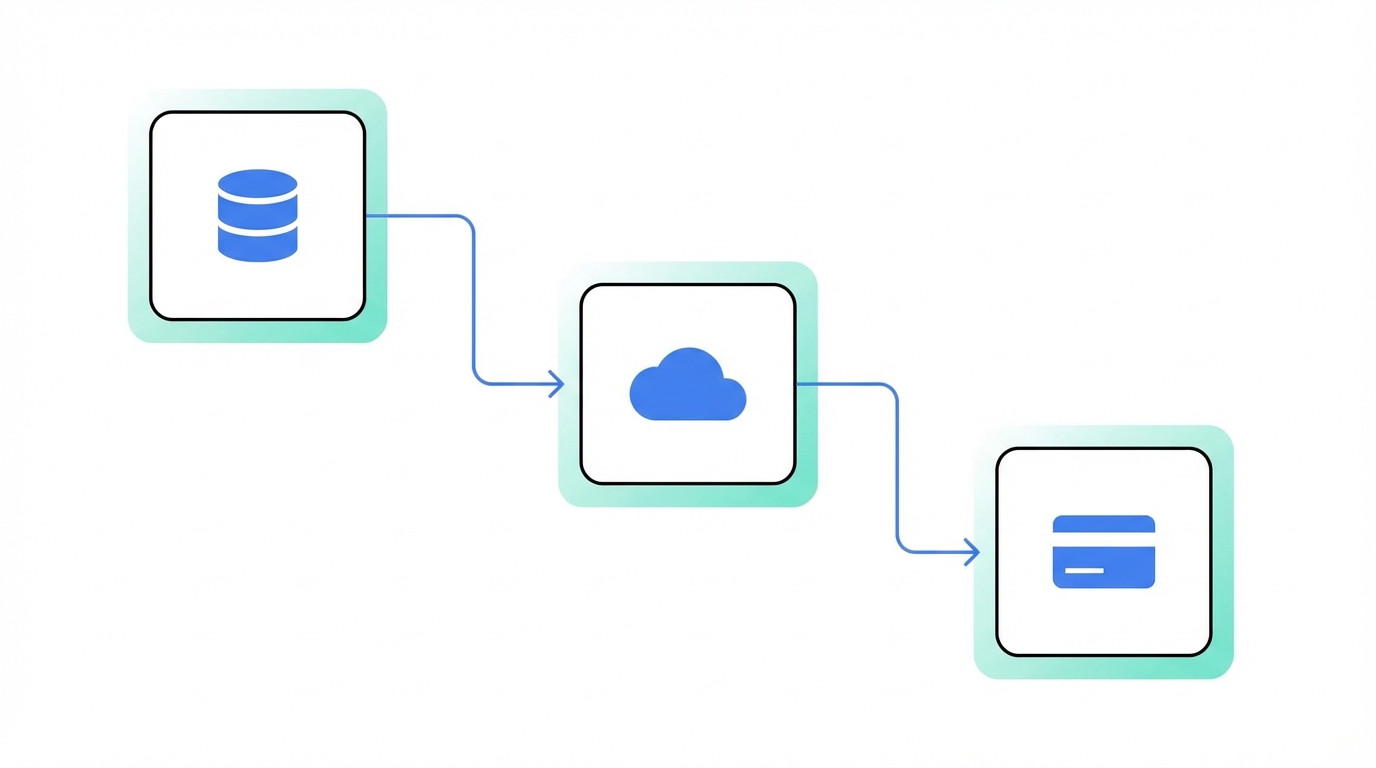
When you are building a portfolio of apps, you need a backend that is both scalable and easy to manage across multiple projects. Supabase for mobile apps has become the gold standard for independent developers. As an open-source Firebase alternative, Supabase provides a powerful PostgreSQL database, authentication, and real-time capabilities without the vendor lock-in or complex pricing models of older platforms. It allows founders to manage data for three or four different apps under one ecosystem, keeping administrative overhead to a minimum.
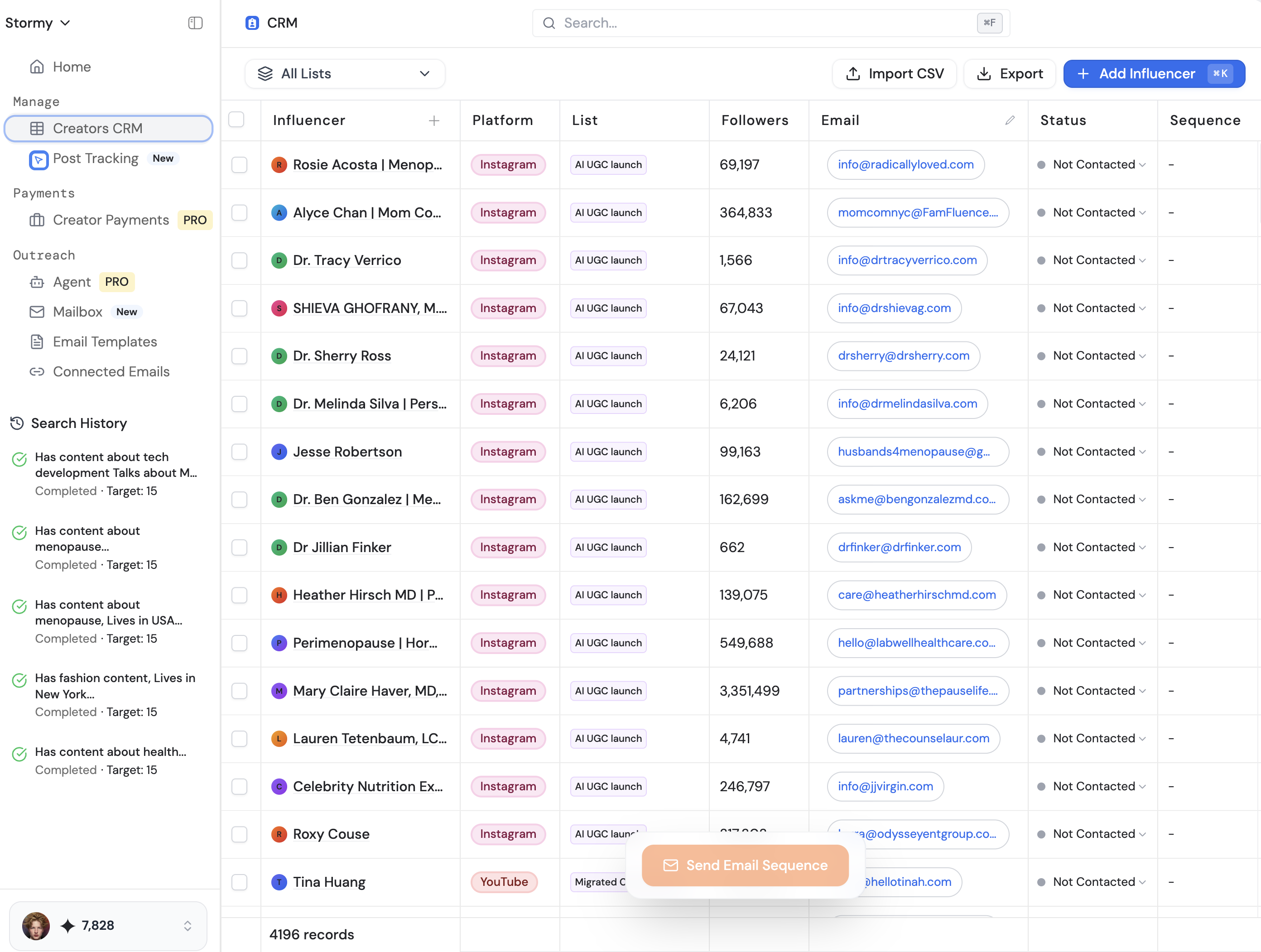
Platforms like Stormy AI use AI-powered search across TikTok and Instagram to find the perfect influencers for your app niche, ensuring every data-driven marketing decision is backed by high-quality creator discovery. Once your data is secure, the next hurdle is revenue. This is where the RevenueCat vs Apple Paywall debate becomes relevant. While Apple provides basic in-app purchase tools, RevenueCat simplifies the entire subscription lifecycle. It handles the edge cases of receipt validation, churn tracking, and cross-platform subscriptions, allowing you to deploy a high-converting paywall in minutes. In Pre's business, this stack supports over 1,500 paying subscribers with a free-to-paid conversion rate of 8%, which is significantly higher than the industry average for general utility apps.
Monitoring and Analytics: Improving Retention with PostHog and Sentry
Building an app is only half the battle; keeping users is the real challenge. Pre maintains a Day 30 free-to-paid retention rate of 61%, a staggering figure that is only possible through constant monitoring. He uses PostHog for deep-dive analytics. Unlike traditional tools that only show surface-level clicks, PostHog allows for session replays and feature flags, helping you understand exactly where users are dropping off. When you can see a user struggling with a specific interface element, you can fix it before it impacts your ratings.
Complementing analytics is error monitoring. Sentry is essential for catching crashes and performance bottlenecks in real-time. In a solo-founder setup, you cannot afford to have an app broken for days without knowing it. Sentry alerts you to the exact line of code causing a crash, often before the user even has a chance to write a negative review. This level of technical hygiene is what separates a "side project" from a $120k/year app business. To further optimize growth, many developers now use Stormy AI's AI-powered quality reports to vet creators for fake followers and engagement fraud, ensuring their influencer collaborations drive real growth.
Design and Landing Pages: Using Figma and Framer
In a crowded App Store, design is a competitive advantage. Pre's apps, such as Go Polar and SunSeek, succeed because they feel premium and native to the Apple ecosystem. This begins in Figma. By designing every screen before a single line of code is written, founders can ensure a cohesive user experience. Figma also allows for rapid prototyping, which is vital when you are building niche apps that rely on intuitive, beautiful interfaces to justify a subscription price.
Outside the app, your web presence matters for SEO and credibility. Framer has become the go-to tool for creating high-end landing pages without needing a web developer. Framer allows you to ship sites that look like they were designed by a top-tier agency, complete with animations and responsive layouts. These landing pages serve as the entry point for organic search and social media traffic, bridging the gap between a creator's recommendation and an App Store download. Using Linear to track these design and development tasks ensures that nothing falls through the cracks as you scale from one app to a portfolio of four or five.
Keeping Margins High: The 85% Profit Strategy

One of the most compelling aspects of the 2025 app stack is the cost efficiency. Pre reports that his total monthly tool spend is only about $300. This includes his backend, analytics, and marketing tools. However, the biggest factor in maintaining high margins is staying under the $1 million annual revenue threshold. By participating in the Apple App Store Small Business Program, founders only pay a 15% commission to Apple, rather than the standard 30%.
When you combine a 15% platform fee with minimal overhead, your profit margins can hover around 80-85%. This is the "hidden" benefit of the AI app development era: you don't need a large office or a massive payroll. Tools like Stormy AI allow app developers to set up an autonomous AI agent that discovers and outreaches to creators on a daily schedule, drastically lowering customer acquisition costs (CAC) through automated efficiency. Instead of hiring expensive PR firms, these platforms allow founders to find micro-influencers and UGC creators who align with their niche for high-ROI ad campaigns.
The 5-Step Playbook for Building Your App Portfolio
If you are looking to replicate this success, you need a structured approach. Here is the playbook for building a niche app portfolio from scratch in 2025:
Step 1: Identify a Deep Interest
Don't just chase trends. Build in a space you already understand. Whether it's health, finance, or a specific hobby, your domain expertise will help you spot problems that others miss. Pre chose health and wellness because he already tracked his own metrics and used wearables daily.
Step 2: Find an Organic Problem
Pay attention to your own frustrations. Is there an activity you do that isn't tracked well? Is there a process that feels clunky? For Pre, the lack of a specific app for tracking cold plunges and sauna sessions led to the creation of Go Polar, his first successful app.
Step 3: Build a Rapid MVP
Use your AI app development tools. Don't spend six months in stealth mode. Use Lovable or Replit to create a functional version of the app in days. The goal of the MVP is to solve the core problem, not to have a perfect feature set. Ship it to the App Store as soon as it provides value.
Step 4: Think Distribution on Day Zero
You need a plan for how people will find your app. In the niche app world, organic search and creator content are king. Share your building journey on platforms like X or LinkedIn. If there isn't a creator in your niche talking about the problem, become that creator. Authentic content about why you built the app is often the most effective marketing.
Step 5: Iterate and Replicate
Treat every app as a repetition. Your second app will be better than your first because you've already set up your Supabase backend and RevenueCat paywalls. Pre's second app, SunSeek, was more polished than Go Polar because he applied the lessons learned from the first launch. This "studio model" allows you to diversify your income and serve the same audience with multiple products.
Conclusion: The Power of Shipping
The 2025 tech stack has lowered the cost of failure to near zero. When you can build an MVP for the price of a few software subscriptions and a little bit of time, the only real risk is not starting. By utilizing AI app development tools, a robust mobile app tech stack, and niche-focused marketing, you can build a sustainable, high-margin business that solves real problems for real people.
Success in the App Store today isn't about having the most features; it's about relevance and execution. Focus on a specific audience, use tools like Stormy AI to track video performance and analyze campaign ROI across all social platforms in one centralized dashboard, and keep your overhead low. If you have an idea that brings you energy, don't let it sit in a notebook. Build it, ship it, and start putting in the reps.