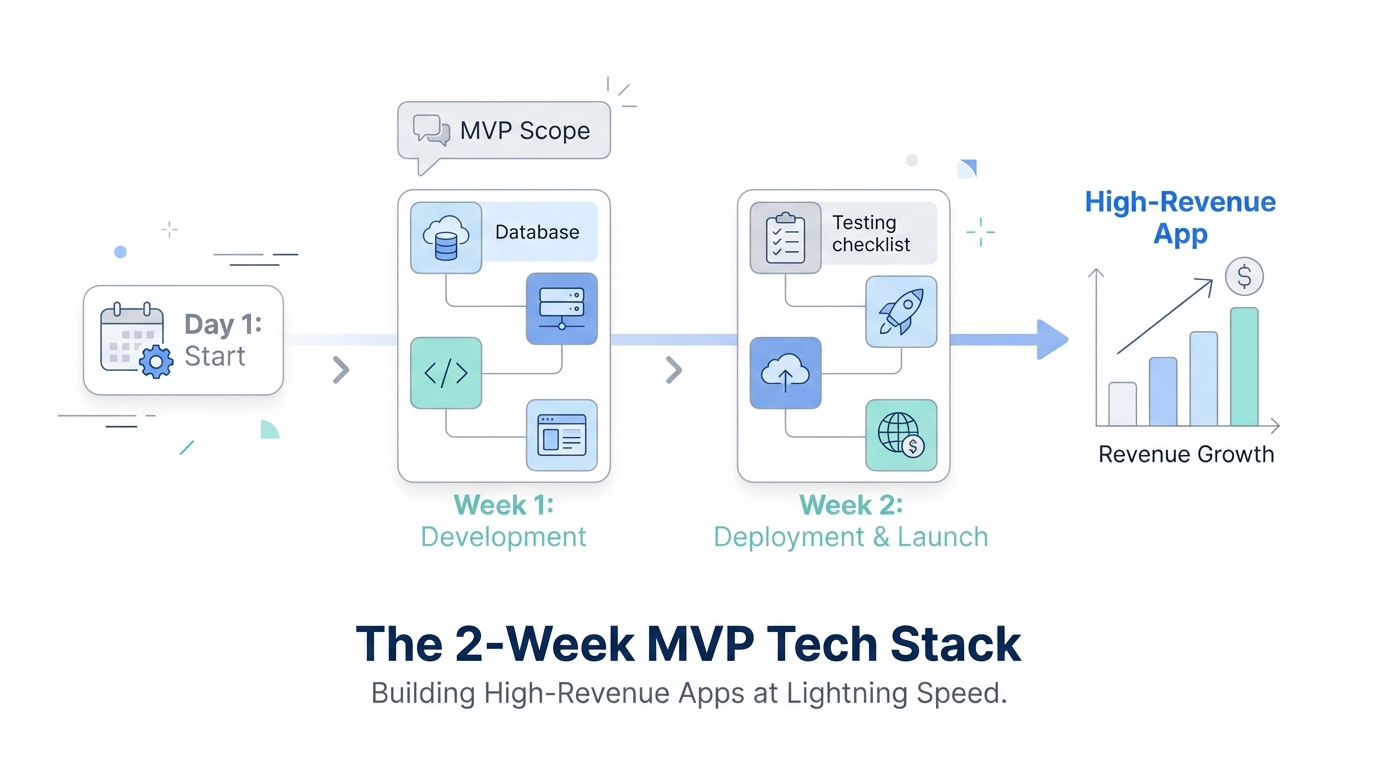
Most founders approach app development with a 'build it and they will come' mentality. They spend six months polishing features, perfecting the UI, and architecting a scalable backend, only to launch to the sound of chirping crickets. Alejandro and Mario, the founders of Push Scroll, flipped this script entirely. They built an app that generates $30,000 in monthly recurring revenue (MRR), but the twist is they didn't write a single line of code until they had 80,000 potential users begging for the product. This article analyzes their 14-day build process and the lean startup tech stack that makes such rapid app development possible.
The Content-First Validation Strategy
Before selecting a database or deciding between Flutter and React Native, the founders focused on distribution. In the world of consumer mobile apps, the greatest risk isn't technical failure; it's market indifference. Mario, who had previously failed with several startups because he ignored distribution, decided to 'master virality first.' He created a 'fake' product demo using stock footage and a simple concept: an app that forces you to do push-ups before you can access social media. He posted the video on TikTok, and it immediately struck a chord with the 'doom scrolling' generation.
The video wasn't a technical showcase. It was a visual representation of a solution to a painful problem. By using an AI push-up detection video found on YouTube and combining it with a visual of someone blocked from scrolling, they created a curiosity gap. The result? Over 500 comments from people asking where they could download the app. This is one of the most powerful minimum viable product examples in recent history: the product didn't exist, but the demand was quantified.
The Philosophy of the 'Embarrassing MVP'

Once the idea was validated, the race was on. The founders had a two-week window to capitalize on the viral momentum. They adopted a philosophy often championed by Y Combinator: if you aren't embarrassed by your first version, you launched too late. Their MVP consisted of exactly three screens. No onboarding tutorials, no social features, and no complex profile settings.
The three essential screens were:
- The Exercise Detector: A semi-functional push-up counter using the device camera.
- The App Selection Screen: A simple list where users could choose which apps to block (e.g., Instagram or TikTok).
- The Block Screen: A hard wall that prevented scrolling until the physical 'tax' was paid.
While the initial code was later rewritten, this 'ugly' version allowed them to secure 20,000 to 30,000 downloads in their first week. Platforms like Stormy AI, an AI-powered platform for creator discovery especially for mobile app marketing and UGC campaigns, emphasize that finding the right creators for UGC (user-generated content) is easier when you have a simple, visually impactful hook like this. For app developers, the goal of an MVP isn't to be perfect; it's to be directionally correct. By focusing only on the core value proposition — fitness as a gateway to dopamine — they bypassed months of unnecessary development.
Modern Cross-Platform Development: Compose Multiplatform
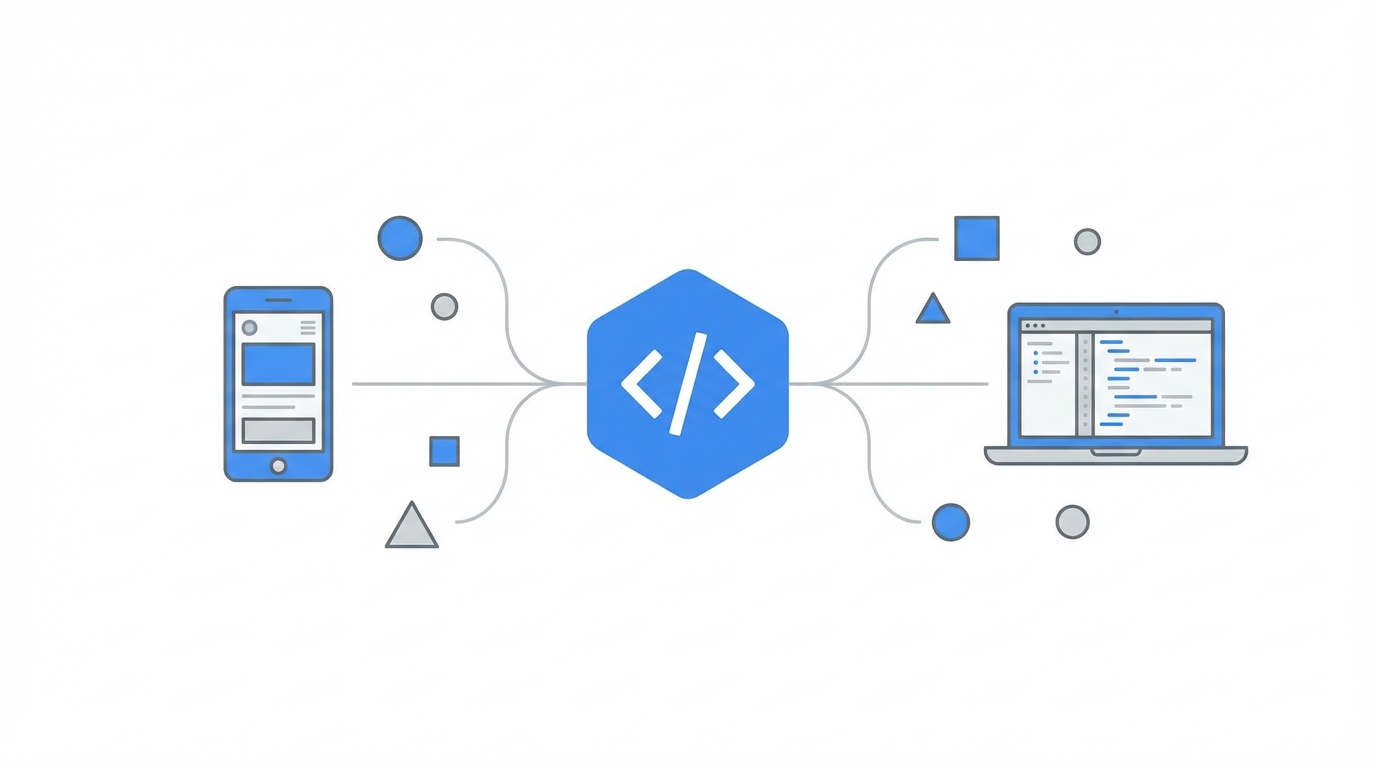
To hit a 14-day deadline while targeting both iOS and Android, the founders turned to Compose Multiplatform. In the past, developers had to choose between the performance of native code and the speed of cross-platform tools. Compose Multiplatform allows developers to share UIs across platforms using Kotlin, significantly reducing the surface area for bugs and UI inconsistencies.
For rapid app development, sharing the business logic and the UI layer is a game-changer. Instead of managing two separate codebases for the push-up detection logic, the founders could write it once and deploy it to the App Store and Google Play Store simultaneously. This efficiency is a cornerstone of the modern lean startup tech stack, allowing a two-person team to compete with much larger engineering departments.
Backend as a Service: Leveraging Supabase
In a 14-day build, you cannot afford to manage servers, handle database migrations, or write custom authentication flows from scratch. The Push Scroll team utilized Supabase, an open-source Firebase alternative, to handle their entire backend infrastructure. Supabase provides a Postgres database, real-time subscriptions, and built-in authentication out of the box.
By using SaaS development tools like Supabase, the founders shifted their focus from 'how do we store user data' to 'how do we make the push-up detection more accurate.' This is a critical mindset shift: outsource everything that isn't your core product differentiator. When you are scaling to 300,000 downloads, having a managed backend ensures that your infrastructure doesn't crumble under the weight of a sudden viral spike from a Meta Ads campaign or a lucky TikTok algorithm boost.
Growth-Focused Tools: Superwall and Monetization
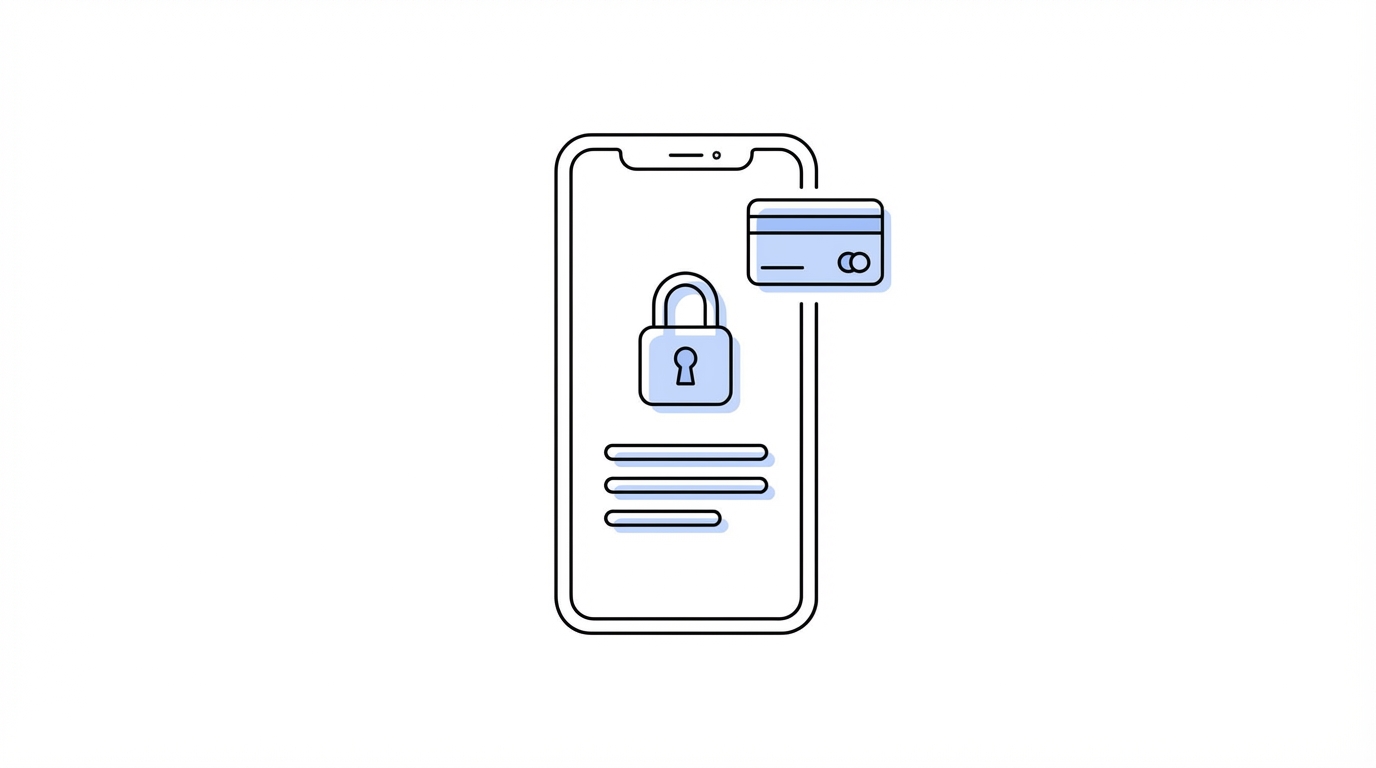
Revenue is the ultimate form of validation. Alejandro and Mario didn't hide their pricing or offer a complex freemium model initially. They implemented a 'hard paywall' — users had to pay approximately $30 a year to use the app. To manage this, they used Superwall, a specialized tool for paywall testing and deployment.
Superwall allows developers to tweak their pricing, headlines, and layouts without resubmitting the app to the store. For an MVP, this is vital. You need to know if people will pay before you invest in secondary features. When you combine this with AI-powered creator search on platforms like Stormy AI, you can find influencers to test different marketing angles that align with your current paywall offer. This data-driven approach to growth is what took Push Scroll from a viral video to $30,000 in monthly revenue.
Analytics and Stability: Amplitude and Sentry
Once users are in the app, you need to know what they are doing. The founders integrated Amplitude for product analytics. Instead of looking at vanity metrics like 'total downloads,' they focused on retention: how many people actually did their push-ups on day seven? This data informed the creation of their 'Journey Tab'—a gamified, Duolingo-style progression system designed to keep users engaged.
Speed often leads to bugs, especially in a two-week sprint. To manage this, they used Sentry for error tracking and crash reporting. In the early days of an app, a single crash on the paywall screen can cost thousands of dollars in lost revenue. Sentry provides the 'black box' recording of what went wrong, allowing the founders to fix issues in real-time. For coding, they leveraged AI-powered editors like Cursor to generate boilerplate code and troubleshoot logic errors at lightning speed.
The 6-Step Rapid Development Playbook
If you are looking to replicate this success, the founders suggest a specific sequence of actions. This rapid app development framework prioritizes market signals over engineering perfection.
Step 1: Warm Up Your Distribution Channel
Create a fresh account on your target platform (e.g., TikTok or Instagram). Interact with your niche, watch self-improvement or tech content, and understand what goes viral. This signals to the algorithm that you are a legitimate creator and helps you avoid being shadowbanned when you eventually post your demo.
Step 2: Define a Visual 'Hook'
Your app must have a visually heavy element that is easy to explain. If you can't describe it in three words (e.g., 'Push-ups for TikTok'), it's too complex. Use AI tools or stock footage to create a video that visualizes the problem and your proposed solution.
Step 3: Post Daily for Validation
Post different versions of your hook until one takes off. A video getting 50k+ views is a strong signal that you should build the app. This is the ultimate test for your minimum viable product examples.
Step 4: Build a Waiting List
While you build the MVP, direct your viral traffic to a waiting list or a community like Discord. This pre-built audience is essential for a successful launch day. You can use Stormy AI to automate outreach and find early adopters who fit your ideal user profile. You can then navigate the Apple Search Ads or App Store review process with a validated base.
Step 5: Launch the 'Embarrassing' MVP
Build only the core functionality. For Push Scroll, it was just three screens. Launch with a 'hard paywall' to test price elasticity immediately. Once you reach $5k–$10k in MRR through organic content, you have the capital to scale.
Step 6: Scale with UGC and Paid Ads
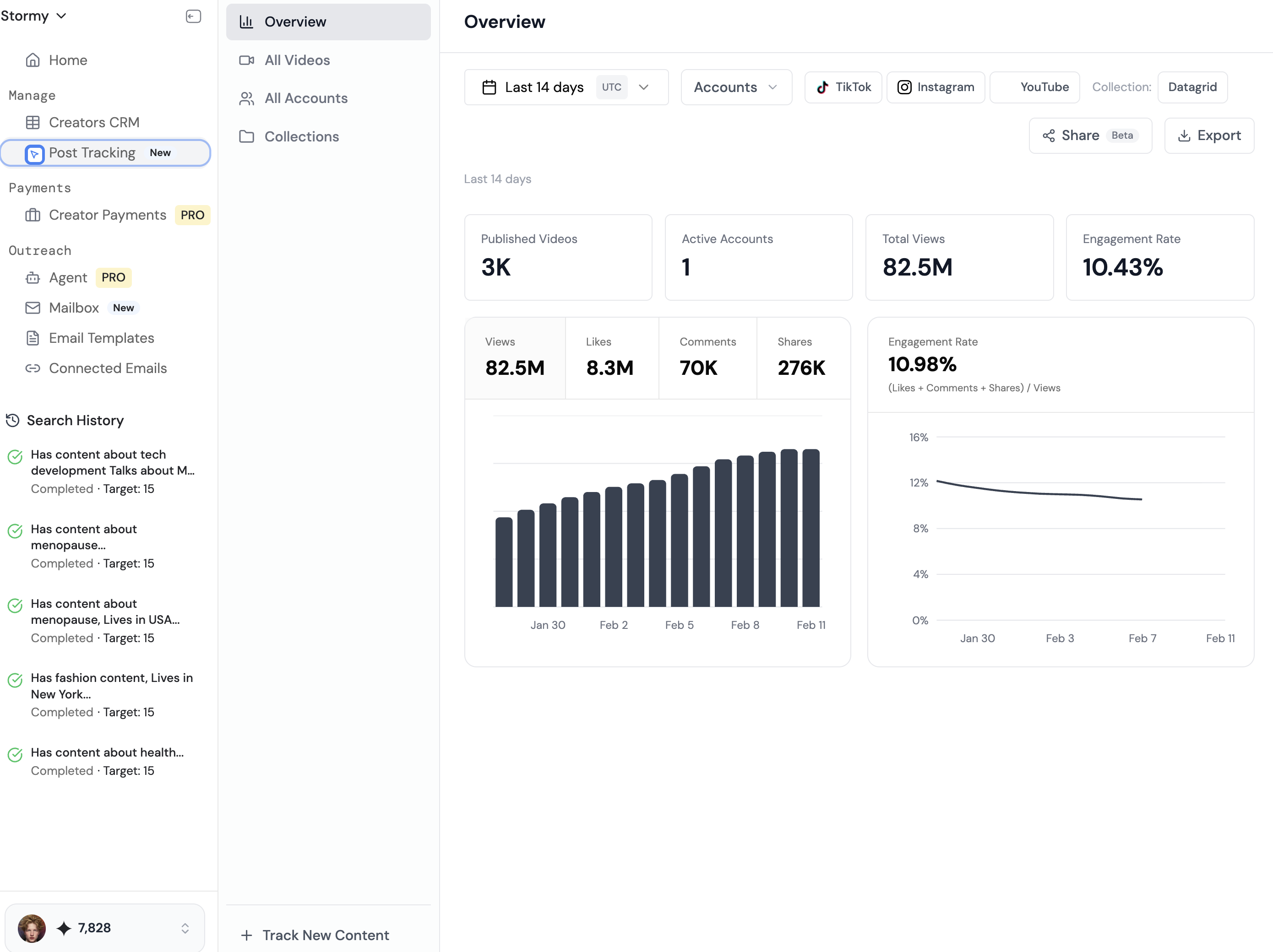
Transition from posting yourself to using UGC creators for mobile app ads. By using Stormy AI for finding UGC creators and influencers, you can find creators who specialize in the 'fitness' or 'productivity' niches to create authentic testimonials. Once your campaign is live, you can use Stormy AI to track every video and monitor engagement automatically across all platforms. Then, pump the winning creatives into Google Ads to reach a global audience.
The Founder's Mindset: Time vs. Money
A recurring theme in the Push Scroll story is the willingness to invest in tools and advice. Alejandro admits that while he is naturally 'cheap,' he realized that time is more valuable than money. Paying for expert advice or premium tools like Superwall might cost a few hundred dollars, but if it saves you two weeks of development time, the ROI is massive.
Investing in a lean startup tech stack isn't just about the software; it's about the psychological freedom to focus on growth. When your authentication, paywalls, and analytics are handled by world-class tools, you can spend your energy on the only thing that matters: making a product people love and ensuring they know it exists.
Final Takeaways
Building a high-revenue app in 14 days is not about being the best coder in the world; it's about being the most efficient validator. By validating through content first, using cross-platform tools like Compose Multiplatform, and leveraging a robust backend-as-a-service like Supabase, you can reduce your time-to-market and increase your chances of success. Remember, distribution isn't something you do after you build—it's the foundation you build upon. Focus on the visual hook, launch the 'embarrassing' version, and use data to guide your path to $30k/month.