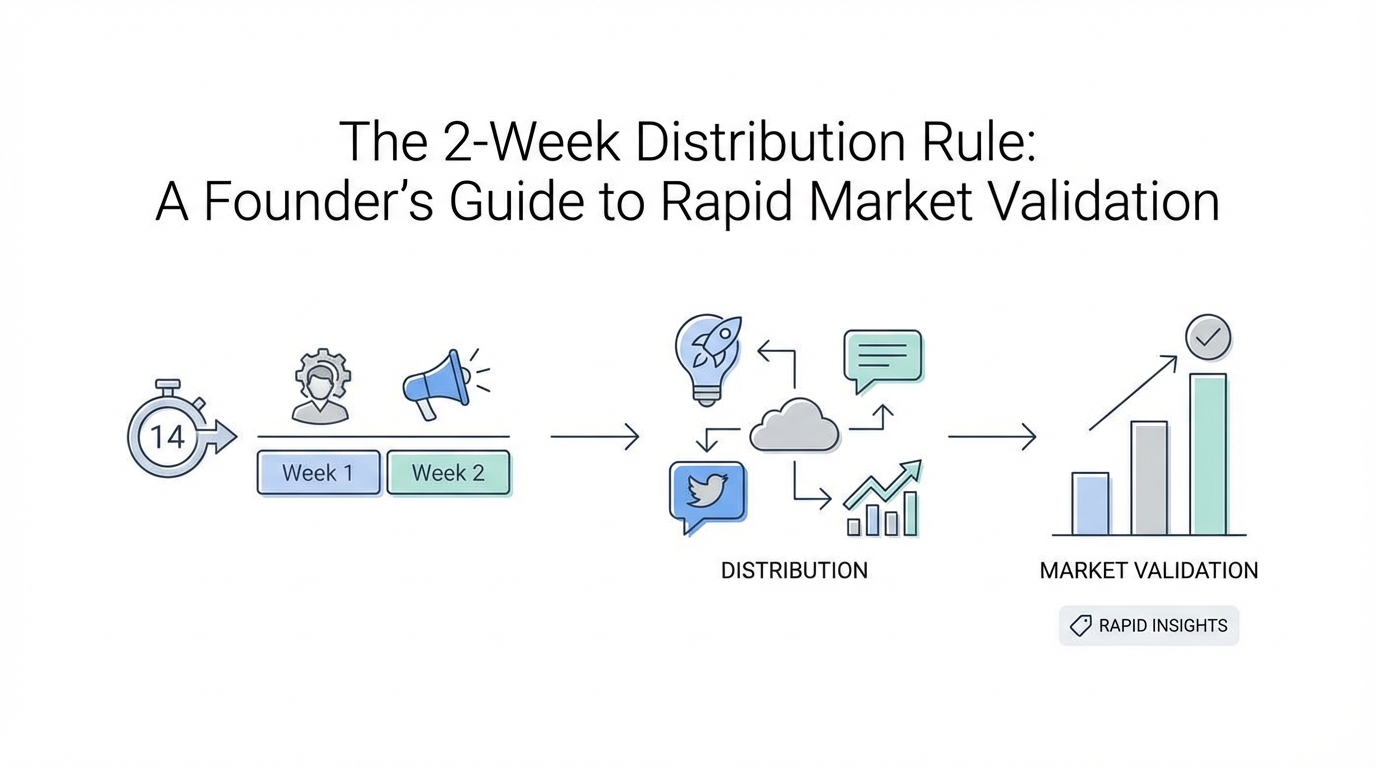
The graveyard of Silicon Valley is littered with technically perfect products that nobody ever used. Most founders suffer from the same fatal flaw: they believe that if they build a better mousetrap, the world will beat a path to their door. In reality, the most successful entrepreneurs today are turning that philosophy on its head. Instead of spending months in a dark room polishing features, they are adopting a distribution-first mindset. They aren't just building products; they are building engines to find out if anyone actually gives a damn about what they are building before the first line of production code is even dry.
The Product-First Trap: Why Most Startups Fail Early
It is a classic story: a founder has a "lightbulb moment," spends six months building a Minimum Viable Product (MVP), and launches to the sound of crickets. This happens because product development is a comfort zone for many technical founders. It is easier to fix a bug than to face the rejection of a cold DM or a failed ad campaign. However, a SaaS go-to-market plan that ignores the reality of the market is destined for failure.
Take the story of Julian Alvarez, the founder of Jungle. Before reaching $100,000 in Monthly Recurring Revenue (MRR), Julian and his team pivoted four or five times. They were stuck in the cycle of building things they thought were cool, only to realize there was no demand. It wasn't until they stopped prioritizing code over conversations that things began to change. For a startup to survive, market validation for startups must happen in real-time, not after months of development. You need a startup distribution strategy that forces you to confront the market early and often.
The 2-Week Distribution Rule: Stop Coding, Start Selling

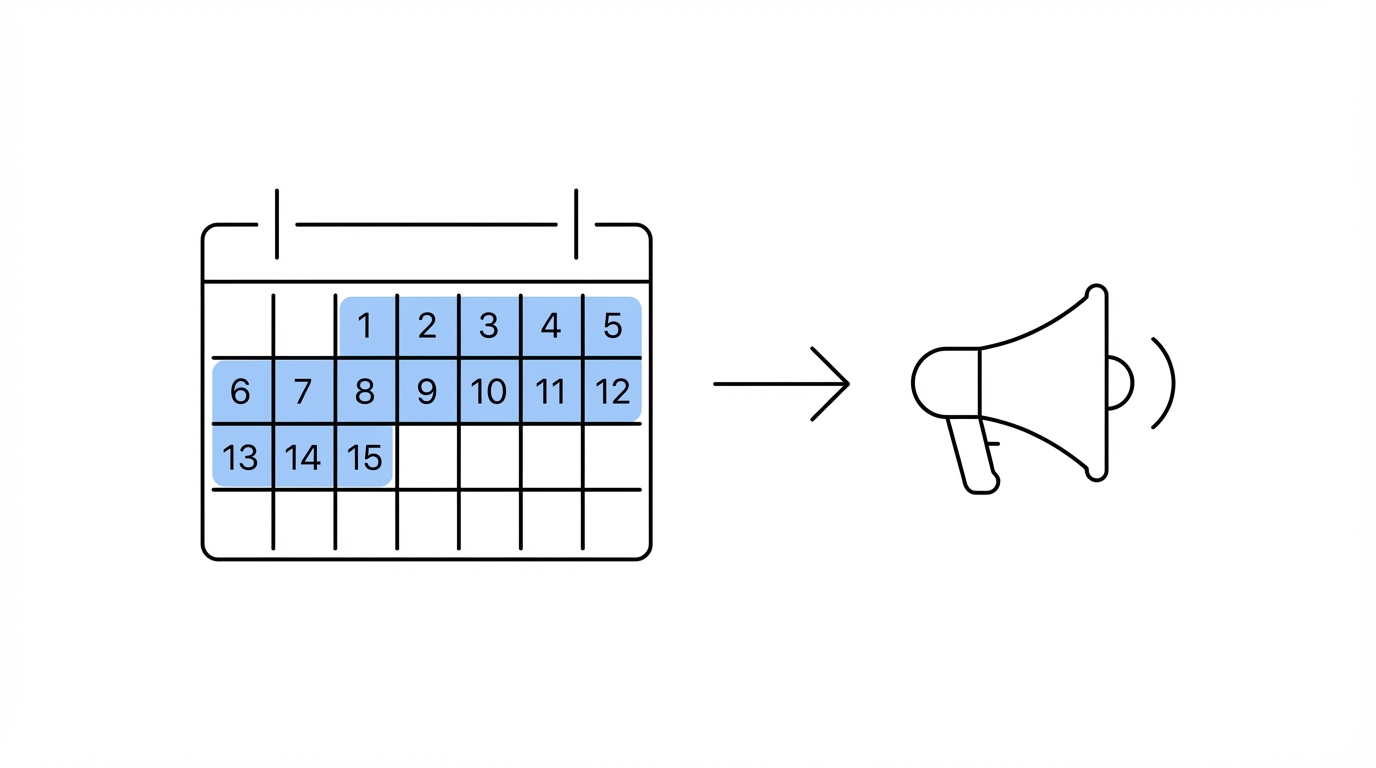
The core of this contrarian approach is the "2-Week Distribution Rule." The premise is simple: once you have a concept or a very rough prototype, you must not touch the product for 14 days. Instead, you spend every waking hour on distribution. If you spend two weeks focusing purely on growth and nothing happens, it is a high-signal indicator that no one cares about your product, and you should probably pivot.
This mindset shift is difficult for product thinkers. You will be tempted to add one more feature or fix a minor UI glitch. Resist it. Stormy AI is an AI-powered search engine across TikTok, YouTube, and Instagram that allows founders to use natural-language prompts to instantly find matching influencers for testing early concepts, but the initial push often requires raw, unscalable effort. The goal isn't just to get users; it's to see if the market has a "pull" for your solution. If you have to push too hard just to get 10 people to sign up, your product-market fit is likely non-existent.
Identifying High-Signal Interest from Viral Trends
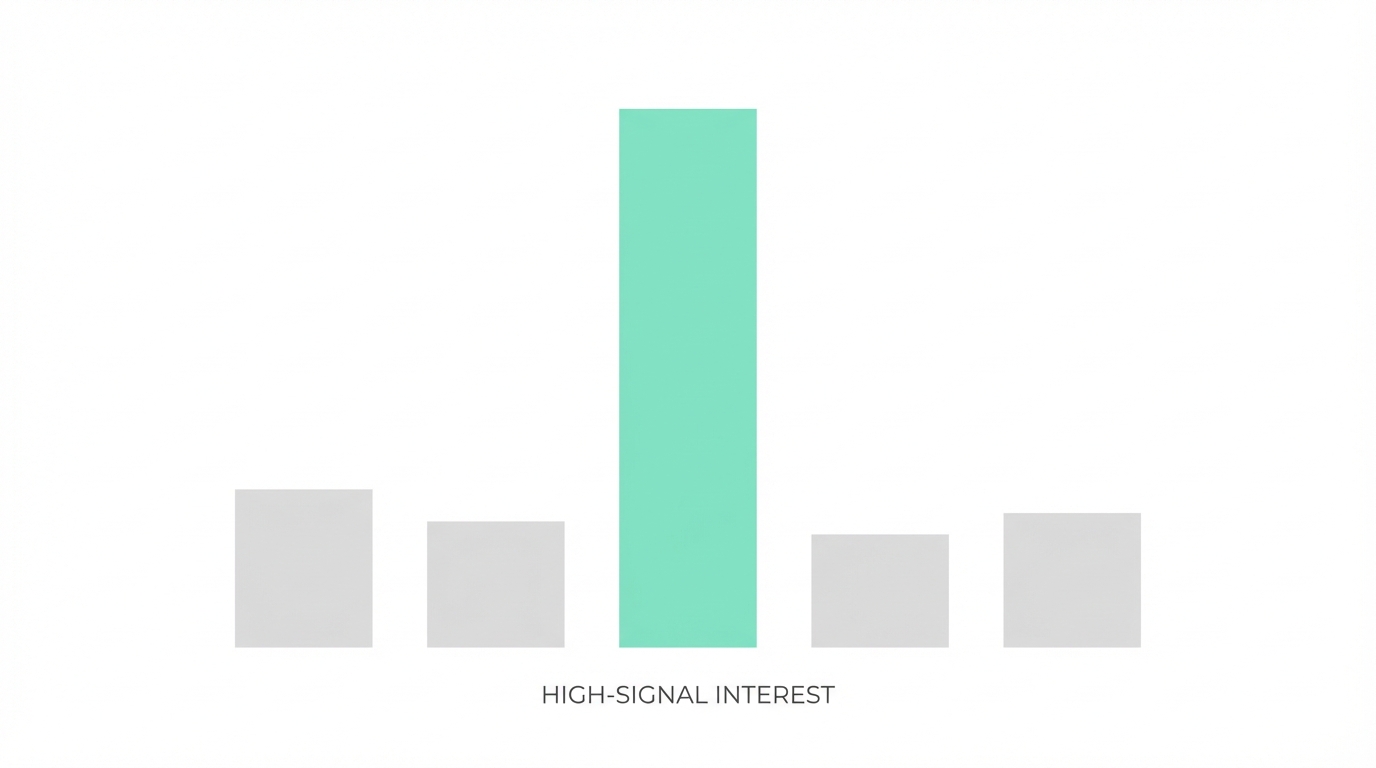
How do you know what to build in the first place? You look for existing market signals. For Julian, the signal came from a single viral tweet. Someone posted about their dream AI product: a tool that could take lecture slides or PDFs and automatically generate flashcards. That tweet blew up, proving there was a massive, underserved pain point for students.
By monitoring platforms like Meta Ads Manager or trending topics on X (formerly Twitter), you can spot these gaps. Julian didn't have the product ready yet, but he commented on the tweet saying they were building something similar. This single move generated 200 downloads and 50-200 DMs. This is the ultimate form of validation: people literally begging for your product before it's even finished. Beyond viral trends, you can use Stormy AI to paste any creator profile URL and get an AI-powered quality report in seconds to ensure you are engaging with high-quality audiences. When you find a trend like this, you don't need a complex Apple Search Ads strategy yet; you just need to be where the conversation is happening.
Using Manual Outreach as a Feedback Loop
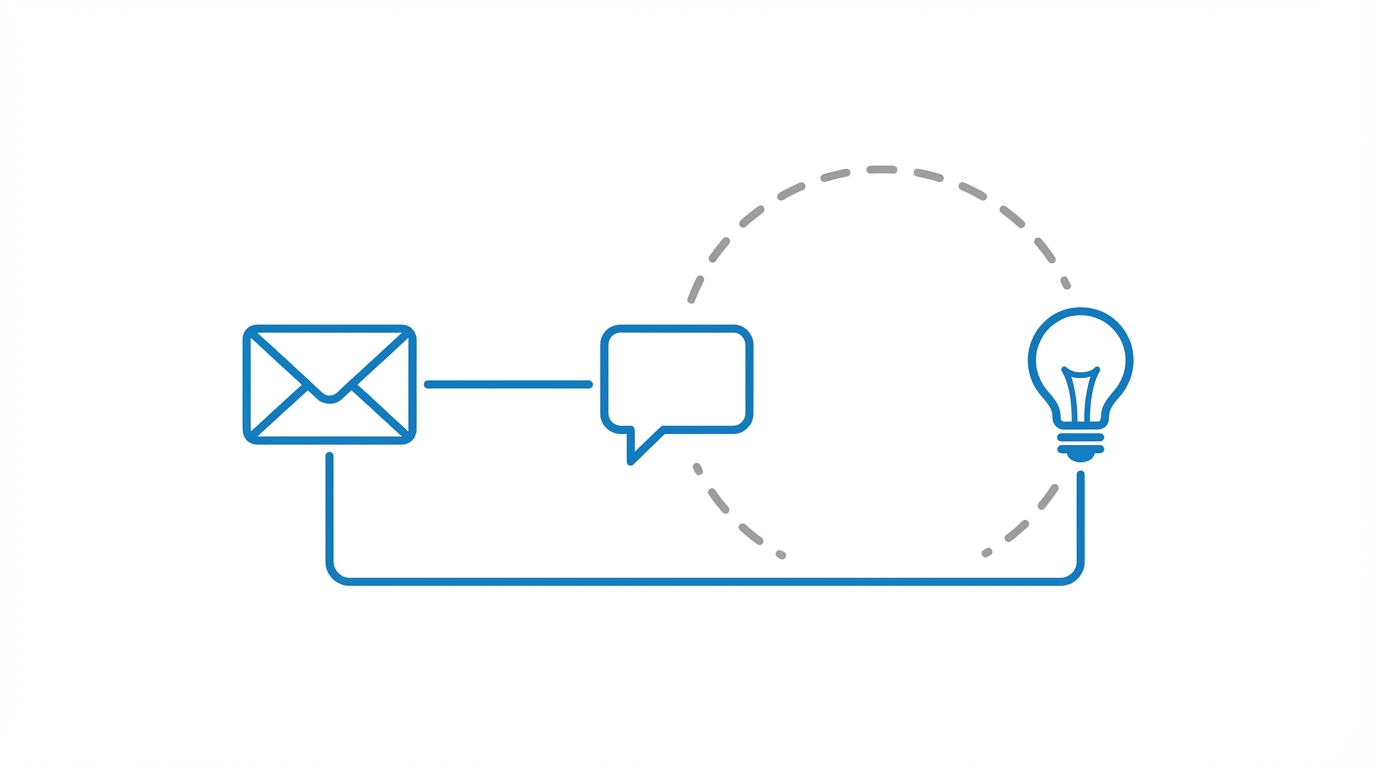
In the early days of a SaaS go-to-market plan, mass DMs and manual outreach are often viewed as annoying or "low quality." However, they are the most effective way to build a feedback loop. Julian DMed every single person who engaged with that viral tweet. He did it so aggressively that his Twitter account actually got banned. While that was a setback, the data he gathered was priceless.
Manual outreach allows for a one-on-one channel of communication. Unlike a TikTok view or a Google search, a DM response tells you exactly why a user is interested or why they are hesitant. While manual DMs work, Stormy AI can scale this feedback loop by setting up an autonomous AI agent that discovers, outreaches, and follows up with creators on a daily schedule. How to promote an app effectively starts with these unscalable conversations. You are looking for at least 30 to 100 people per week to walk through your door so you can observe their behavior and refine your pitch. This feedback is 10 to 100 times more valuable than a passive analytics dashboard during the validation phase.
Leveraging AI Tool Directories and Niche Communities
Once you have validated the core concept through manual outreach, it's time to tap into "aggregators." For AI-powered apps, directories like Future Tools or niche subreddits can provide the first 1,000 users. These platforms are essentially search engines for early adopters. When Julian posted Jungle on these directories, it led to organic discovery by influencers who were looking for the next big thing to talk about.
While directories are becoming more saturated, they still serve as a vital component of a startup distribution strategy. They act as a launchpad. If your tool is genuinely novel—like AI-generated flashcards were a year ago—the "newness factor" will drive organic traffic. However, you cannot rely on this forever. Eventually, the novelty wears off, and you need a more sustainable way to reach your audience. This is where Stormy AI for finding UGC creators and influencers becomes essential for scaling beyond the initial hype cycle.
The Micro-Influencer Breakthrough: From 2K to 15K MRR

The real scale for Jungle came from micro-influencer marketing. Instead of chasing celebrities, they targeted creators in the "StudyTok" niche with 5,000 to 100,000 followers. These creators have higher trust and better Return on Investment (ROI) than massive accounts. Julian recounts a moment where one medical school influencer, Agogo, posted a video that went 10x viral, skyrocketing their revenue from $2,000 MRR to $15,000 MRR in just two weeks.
The key to this strategy is the balance between briefing and creative freedom. You must provide influencers with the pain points and viral hooks that you discovered during your 2-week distribution sprint, but you must also let them adapt the message to their own style. If you treat influencers like a billboard, the content will feel fake. If you treat them like partners, you can unlock massive growth. For founders looking to replicate this, using Stormy AI can help find those specific micro-creators and track their campaign performance across all platforms automatically.
Scaling with UGC: Running a High-Volume Content Machine
After finding success with micro-influencers, Julian transitioned to a massive User-Generated Content (UGC) strategy. They hired 30 to 40 creators to post 400 videos per week. This is a "growth hack" that exploits the volume-heavy nature of current social algorithms. By posing as students sharing "study hacks," these creators generated millions of views and drove consistent, profitable acquisition.
However, Julian is honest about the risks: hacks are temporary. As the market becomes saturated with inauthentic UGC, consumers develop an "ad blindness" to this style of content. To manage such a high-volume machine, Stormy AI provides a full Creator CRM for managing creator relationships, deal stages, and collaboration history in one place. As you scale toward $100K MRR and beyond, diversification into channels like Google Ads or organic community building becomes necessary.
The Shift to Product-Led Growth: Retention is King
While distribution gets people in the door, retention is what builds a business. Julian noted that roughly 30-40% of their new users come from word of mouth. This only happens if the product experience is world-class. They focused on two main levers: Magic Moment and Time to Magic. How quickly can a user upload a PDF and see their first AI-generated question? If that time is too long, the user is lost.
Jungle even gamified the experience, using a growing tree visual (similar to Duolingo) that increased engagement by 70%. This visual component also acted as a distribution loop—students studying in libraries would see the tree on a friend's screen and ask, "What is that?" This is the intersection of product and distribution. A great product makes your distribution efforts 10 times more effective by creating a natural viral loop.
Optimizing the Onboarding Funnel
- Minimize Friction: Don't ask for a million settings in the first 30 seconds. Get the user to the core value immediately.
- Early Paywalls: Don't be afraid to show a paywall. Julian found that showing it earlier in the onboarding increased conversions because more people actually saw the offer.
- Phased Onboarding: Split the "work" (signing up, setting goals, notifications) into different steps so the user isn't overwhelmed.
Conclusion: The Founder's New Mandate
The journey from 0 to $100K MRR isn't a straight line, but it is always paved with distribution. Whether you are building an AI study tool or a B2B SaaS platform, the 2-week distribution rule serves as your North Star. Stop hiding behind your code and start talking to the market. Use manual outreach to gather feedback, leverage micro-influencers to find traction, and build a product that people can't help but share.
Remember, the goal of market validation for startups isn't just to prove you are right—it's to find out where you are wrong as quickly as possible. By prioritizing distribution early, you save yourself months of wasted effort and position your startup for real, sustainable growth. If you're ready to start finding the creators that will drive your next viral moment, platforms like Stormy AI are ready to help you bridge the gap between building and scaling.