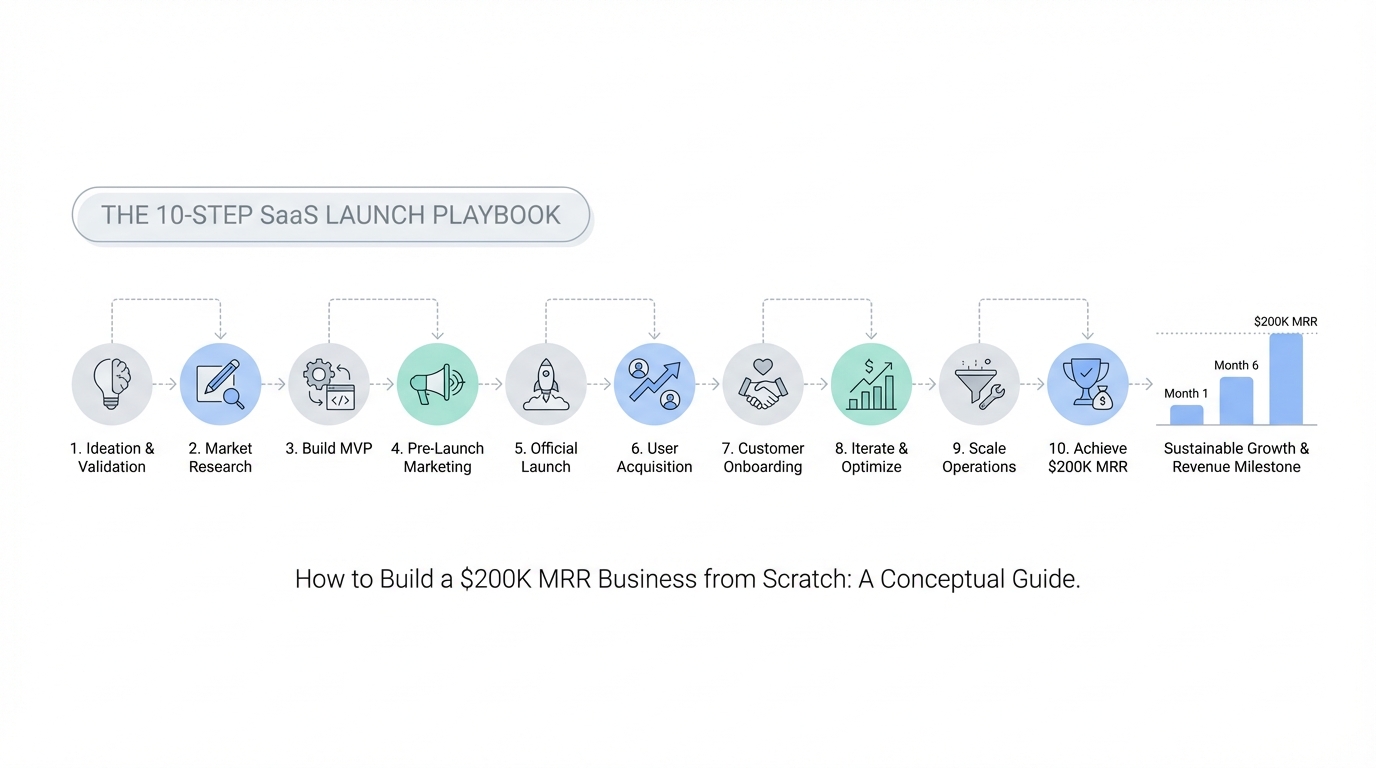
Building a successful software-as-a-service (SaaS) business often feels like a gamble, but it doesn't have to be. While many founders chase "disruptive" ideas that require massive venture capital and years of market education, a more sustainable, repeatable path exists. By following a proven SaaS launch strategy, it is possible to build a portfolio of apps that generate significant monthly recurring revenue (MRR) without ever taking a dime of outside investment. Mike, a founder featured on Starter Story, has mastered this art, scaling five different apps to a combined $200,000 MRR using a strict, ten-step framework designed to eliminate failure.
The Philosophy of "Boring" and Proven Ideas
The first rule of Mike’s playbook is simple: pick an idea that has been done before. New ideas are inherently risky because they require validation—you have to prove that a problem exists and that people are willing to pay for your specific solution. By entering an existing market, you already know the demand is there. You aren't inventing a category; you are capturing a slice of an existing one by offering better design, superior user experience, or a more focused feature set.
Platforms like Stormy AI often observe this trend in the mobile app space as well. Successful developers don't necessarily invent new genres; they identify where existing apps are failing and provide a higher-quality alternative. For Mike, this led to the creation of tools like curator.io (a social media aggregator) and frill.co (a customer feedback tool). These aren't revolutionary concepts, but they are essential utilities that businesses already budget for.
The Four-Founder Model and Equity Splitting
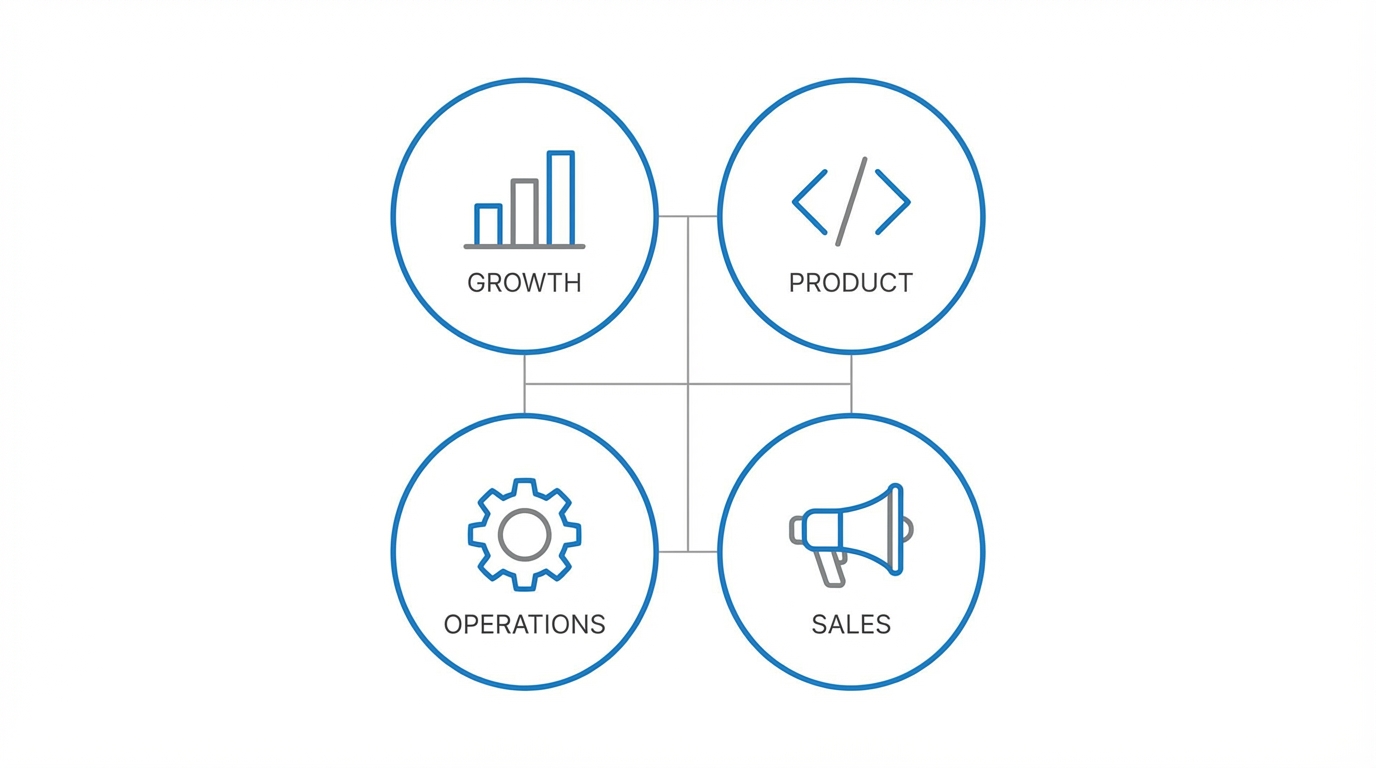
One of the most unique aspects of this bootstrap SaaS growth model is the team structure. Mike advocates for starting every project with four co-founders, typically consisting of a front-end developer, a back-end developer, a designer, and a growth-focused founder (the "everything else" person). This structure minimizes "founder fallout," which is a leading cause of startup failure. By splitting the company equally (25% each), every member is fully invested in the long-term success of the product.
The financial strategy here is also distinct. The founders do not take salaries until the business reaches approximately $10,000 MRR. This threshold ensures that the company is stable and covering its basic operational costs before profits are distributed. These businesses are built for founder salaries and lifestyle, not necessarily for a massive exit. By staying lean and avoiding heavy spending on Google Ads or large staff cohorts, the founders maximize the dividends they can eventually pull from the business.
The 10-Step SaaS Launch Playbook

This tactical framework is designed to generate immediate cash flow while building the long-term SEO and social proof needed to transition into a stable MRR model.
Step 1: Pick a Proven Idea
Look for competitors with high demand but poor user experience (UX). If a product has thousands of users despite being clunky or outdated, it’s a prime candidate for a rebuild. Avoid "sexy" but volatile sectors like pure-play AI wrappers that rely on APIs you don't control; instead, focus on core business utilities.
Step 2: Define a "Good Enough" MVP
Analyze your competitors to identify the core features their customers use most. Don't try to match them feature-for-feature on day one. Build the Minimum Viable Product (MVP) as quickly as possible and get it into the hands of real users. Tools like v0.dev for rapid prototyping can significantly speed up this phase.
Step 3: Offer a Lifetime Deal (LTD)
Early-stage SaaS growth requires capital, but you don't need a VC for it. By offering a Lifetime Deal (LTD)—where users pay a one-time fee (e.g., $59 or $99) for life access—you can generate immediate seed funding. This capital is vital for hiring content writers and funding early operations.
Step 4: Never Give Away Accounts for Free
It’s tempting to offer free accounts to get users, but Mike warns against this. If people pay for a product, they are more likely to use it and provide meaningful feedback. You want users who are invested enough to tell you why the product is "crap" so you can fix it quickly.
Step 5: Run a Private LTD
Before hitting the major marketplaces, go to where your customers live. Utilize Reddit groups, private Facebook groups, and X (formerly Twitter). To scale these efforts, founders often use Stormy AI to set up an autonomous AI agent that outreaches to potential brand ambassadors every day on a schedule. For Frill, Mike raised $30,000 just from a private LTD launch. This initial surge of users provides the first wave of feedback and bug reports.
Step 6: Start Writing Content Immediately
It is never too early for SaaS marketing through content. Use the money from your private LTD to commission blog posts and landing pages. Focus on "Alternative to [Competitor]" pages and comparison guides. The earlier you publish, the faster Google and AI discovery engines will index your site. For high-converting visual content, many founders use Stormy AI to find UGC creators who can demonstrate the product's value in a way that feels authentic to social media users.
Step 7: Launch on AppSumo
An AppSumo launch guide wouldn't be complete without mentioning the reach of their marketplace. You can list on their self-serve marketplace or work with their sales team for a "Select" deal. The goal is to reach a massive database of early adopters and potentially put $100,000 in the bank.
Step 8: The Final "Fear of Missing Out" Deal
After the AppSumo run, offer one last private LTD to your mailing list. Raise the price slightly and make it clear that the lifetime deal will never be available again. This creates a final surge of capital before you move exclusively to a monthly recurring revenue model.
Step 9: Collect Honest Reviews
Your LTD customers are your biggest ambassadors. Ask them to write honest reviews on platforms like Trustpilot and G2. High review scores boost your domain authority and provide the social proof necessary to convince monthly subscribers to sign up.
Step 10: Transition to MRR and Community Engagement
Now that you have a cash cushion and social proof, focus on bootstrap SaaS growth through organic channels. Monitor Reddit and niche forums for people asking for recommendations. Answer authentically and helpfully. By the time your LTD capital starts to run low, your organic MRR should be high enough to sustain the business. You can also use Stormy AI to track individual videos and monitor campaign performance across all platforms automatically.
The Modern SaaS Tech Stack
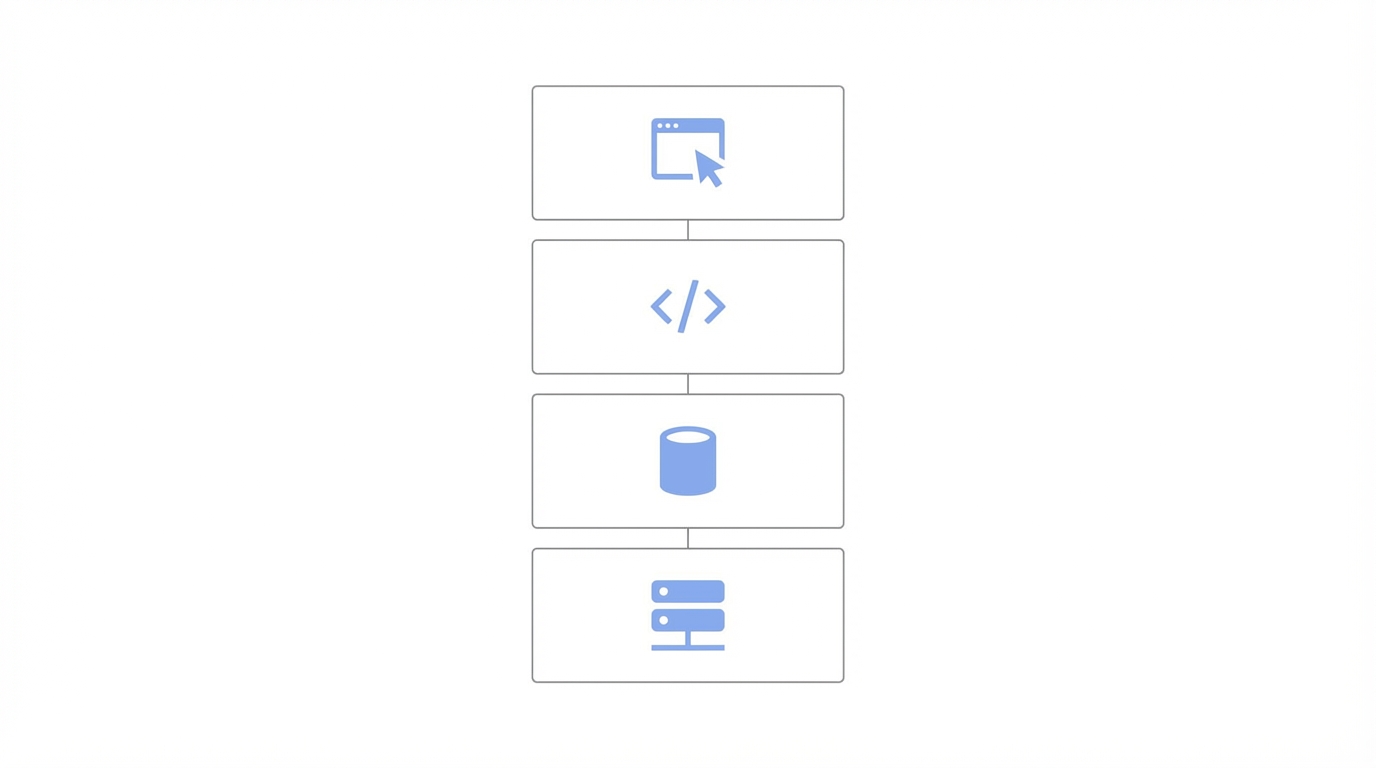
While the business strategy is rigid, the tech stack can be flexible. Mike’s teams often use PHP and Laravel for the back end, combined with Vue or React for the front end. However, the focus has shifted toward tools that allow the non-technical founders to handle more of the workload. For example, moving websites to Framer allows the design and marketing team to make updates without bothering the developers.
When it comes to scaling mobile versions of these apps, User Generated Content (UGC) is the gold standard for advertising. Stormy AI is an all-in-one AI-powered influencer marketing platform for creator discovery, especially for mobile app marketing and UGC campaigns. Using a platform like Stormy AI to source creators for TikTok or Meta ads is a common strategy for apps like Juno or Mile to reach B2B audiences where they already spend their time.
Conclusion: Building to Last
The path to $200,000 MRR isn't about one lucky break; it's about a repeatable process that prioritizes risk mitigation and cash flow. By picking proven ideas, leveraging the LTD community for initial capital, and focusing heavily on content and reviews, you can build a sustainable business that supports your lifestyle without the pressure of venture capital. Start by identifying a "boring" problem, assemble a lean team, and follow the playbook. Success in SaaS isn't about being the most innovative—it's about being the most consistent.